
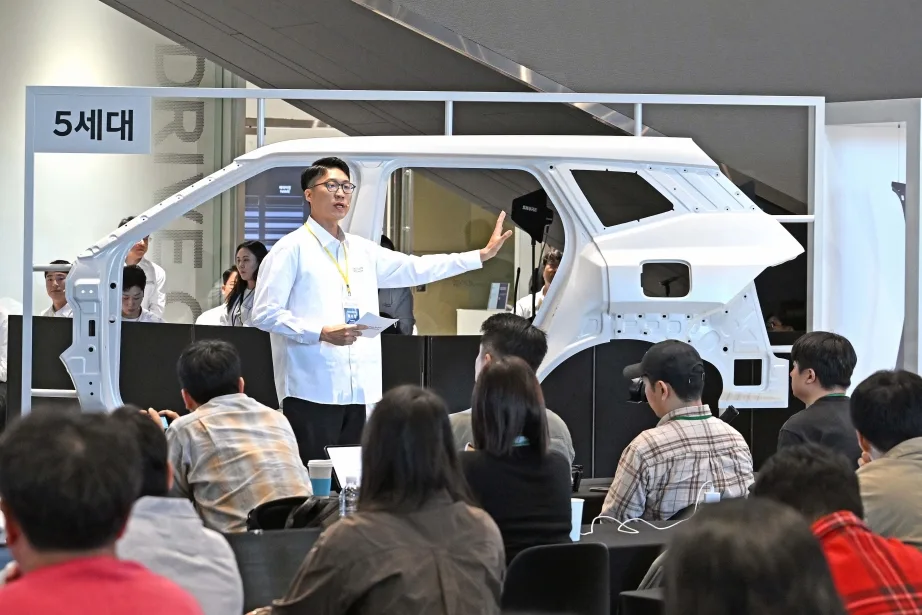
The biggest design change on the All-New Tucson is in its side profile, not the front.
Choi Tae-wook, senior research engineer at Hyundai Exterior Design Team 1, said the team shaped the car’s volumes and edges right up to the point where sheet steel would tear. The goal was to make the body look like the material it’s made of.
What is Hyundai’s Art of Steel design language?
Art of Steel is Hyundai’s design language that draws on the natural tension of steel to combine precise lines with strong, muscular surfaces.
How has the All-New Tucson’s side profile changed?
The side view is defined by a wide, boxy clamshell hood and much fuller rear fenders.
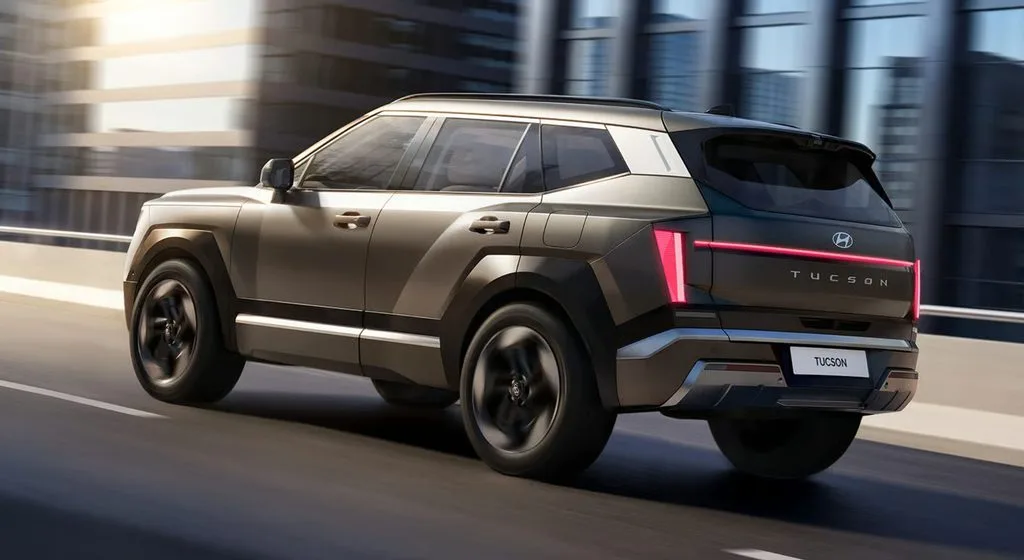
The hood wraps down over the sides of the front fenders. Choi called the rear fender the clearest expression of Art of Steel. According to Hyundai’s forming team, its volume is 20% larger than on the outgoing model. Choi said the fender was only possible because design, press-forming and manufacturing worked closely together. Part 3 covers how it was built.
What changed at the front and rear?
The front gets “H-Edge Lighting” that runs across the full width of the car, and the rear gets prism-like 3D taillamps.
Simple upper surfaces sit against bold lower forms, and a central indirect light adds depth to the face. At the back, light gathers at the edge of a clear lens and shows a detailed inner pattern that forms the Tucson’s new light signature.
How is the Tucson XRT different?
The new XRT model adds a tall skid plate, a rectangular grille, wheel-arch cladding with a forged-carbon-inspired pattern and interlocking-design wheels.
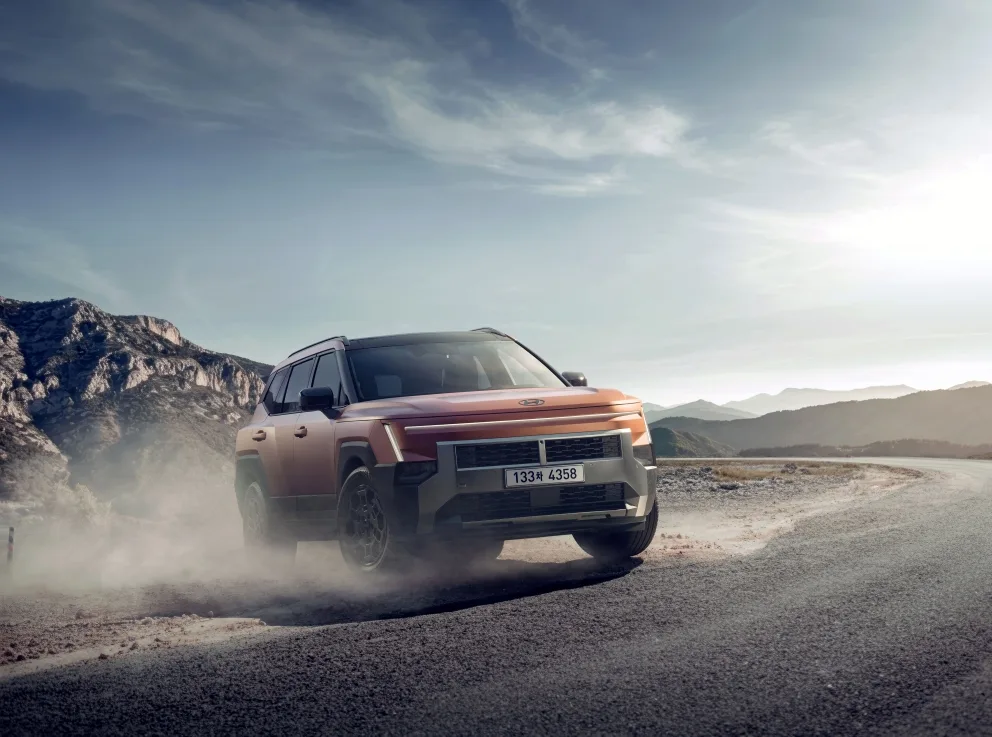
Hyundai aims the XRT at buyers who split their time between daily driving and outdoor trips.