
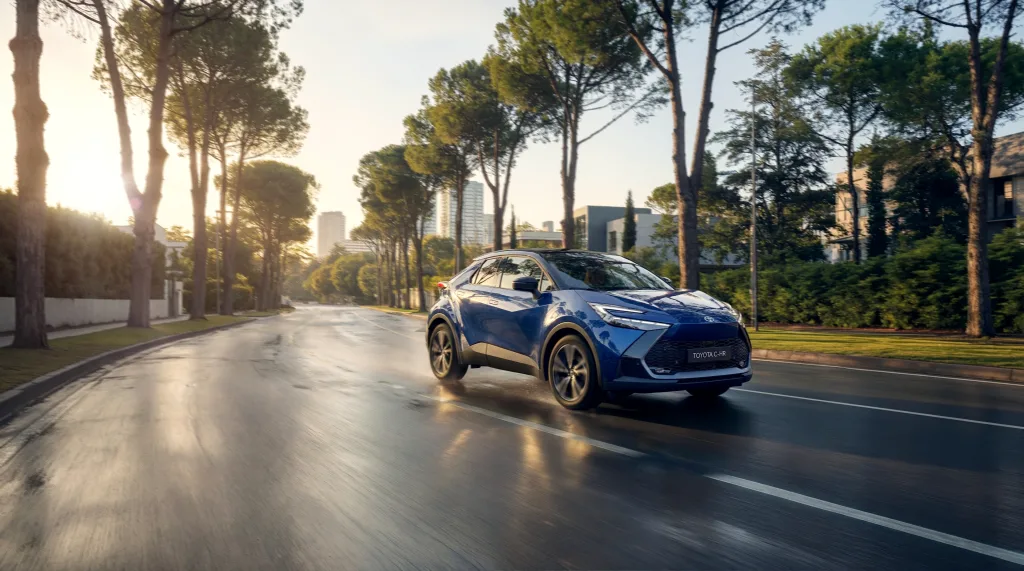
The pioneering Toyota C-HR marks 10 years since its debut, a model that rewrote the rulebook and sparked a European love affair with the emotive, exciting, and efficient crossover.
When it launched in 2016, the Toyota C-HR was a landmark introduction, drawing a new style-conscious audience to the Toyota brand through its unconventional design, fun-to-drive character, and premium quality.
The model established a fresh styling benchmark in the European C-SUV segment with its bold, sharp-edged forms evoking the dynamic lines of a sports coupe.
Reinforcing its bond with European buyers, the second-generation Toyota C-HR arrived in 2023 with local design, engineering, and production behind it.
Strong Sales Numbers and Brand Transformation
The figures tell a compelling story: 2.1 million sales globally since 2016, of which 1.2 million were sold in Europe. This sustained performance gives the Toyota C-HR one of the brand’s highest segment shares across its lifetime—averaging around 7.7% in the C-SUV segment.
The model’s daring, distinctive appearance helped reshape how Europeans viewed Toyota, adding a powerful emotional layer to the brand. Buyers responded enthusiastically, with more than half citing styling as their primary reason for purchase.
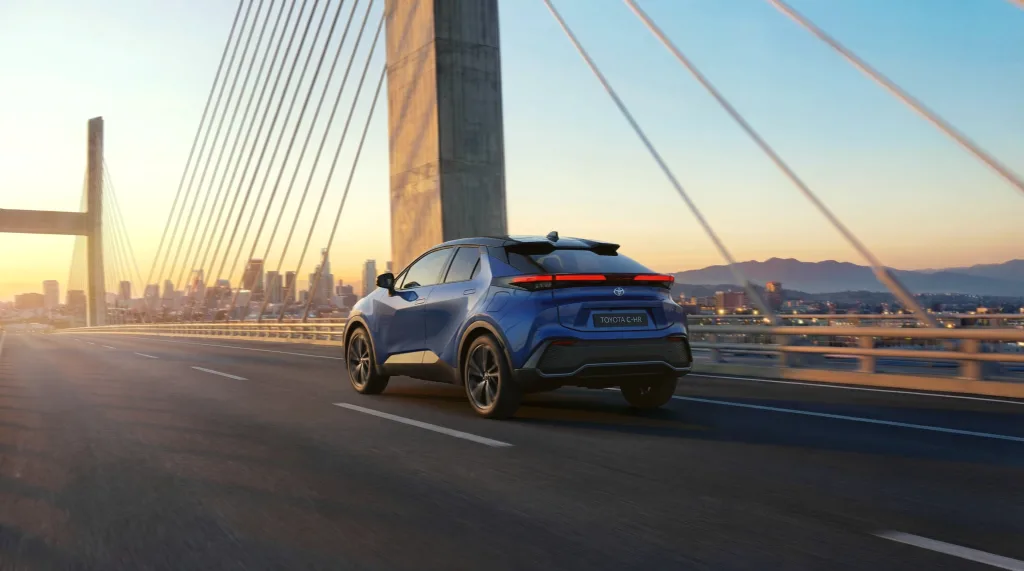
The Toyota C-HR also emerged as one of Toyota’s strongest performers for conquest sales, peaking in 2019 when 67% of buyers were purchasing a Toyota for the first time. Owners report high satisfaction levels too, reaching 74% overall—well above the segment average of 64%.
First Generation Pioneered Segment Hybrid Technology
The Toyota C-HR journey opened in 2016 with the first generation, marking Toyota’s arrival in the crossover SUV market through eye-catching design, high-spec features, and an engaging drive. It stayed faithful to the spirit of its concept car predecessors shown at the Paris and Frankfurt motor shows in 2014 and 2015.
Coupe-inspired lines and a wide, sporty stance produced a unique appearance that stood apart from competitors and made the Toyota C-HR instantly recognisable on the road. The stylish treatment continued inside, with a sophisticated, modern, driver-focused cabin and high-quality materials that lifted the travelling experience to a premium level.
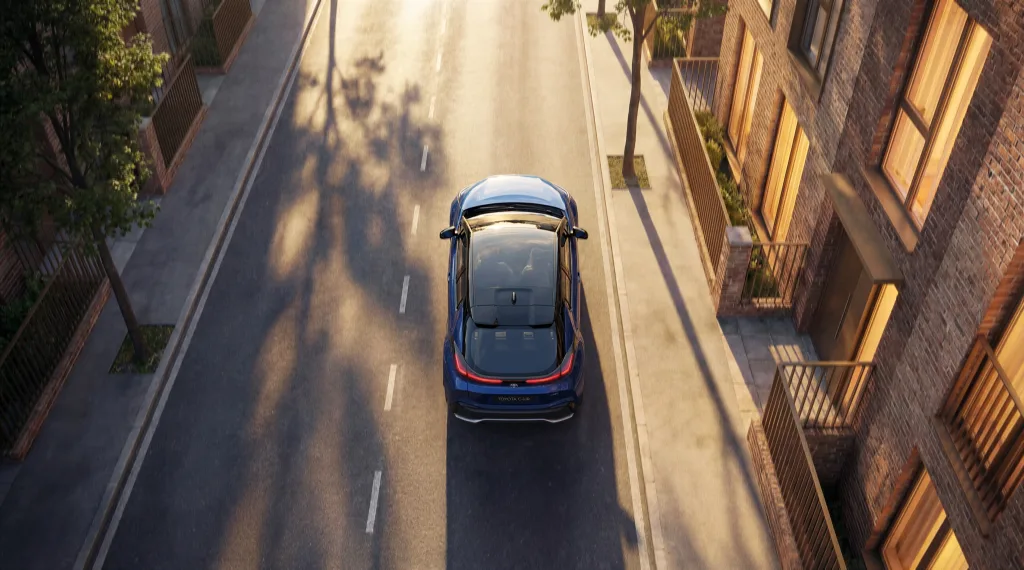
Beyond its expressive looks, the first-generation model led by bringing hybrid technology to the segment. Its 1.8-litre petrol engine achieved 40% thermal efficiency, a benchmark at the time, and the car became the first of its kind built on Toyota’s TNGA-C platform, achieving the lowest centre of gravity in its class for balanced, responsive handling.
Second Generation as a ‘Concept Car for the Road’
For its second generation, the latest Toyota C-HR drew inspiration from a vision of a ‘concept car for the road.’ Conceived in Europe for European customers, it was built around four pillars: sensual exterior style, a personalised user experience, environmental leadership, and agile, responsive performance.
A heightened level of design execution introduced premium touches such as Toyota-first flush door handles, dynamic 64-colour interior ambient lighting, and a shade-less panoramic roof, all complementing an intuitive digital cockpit that places the customer at the centre of the vehicle.
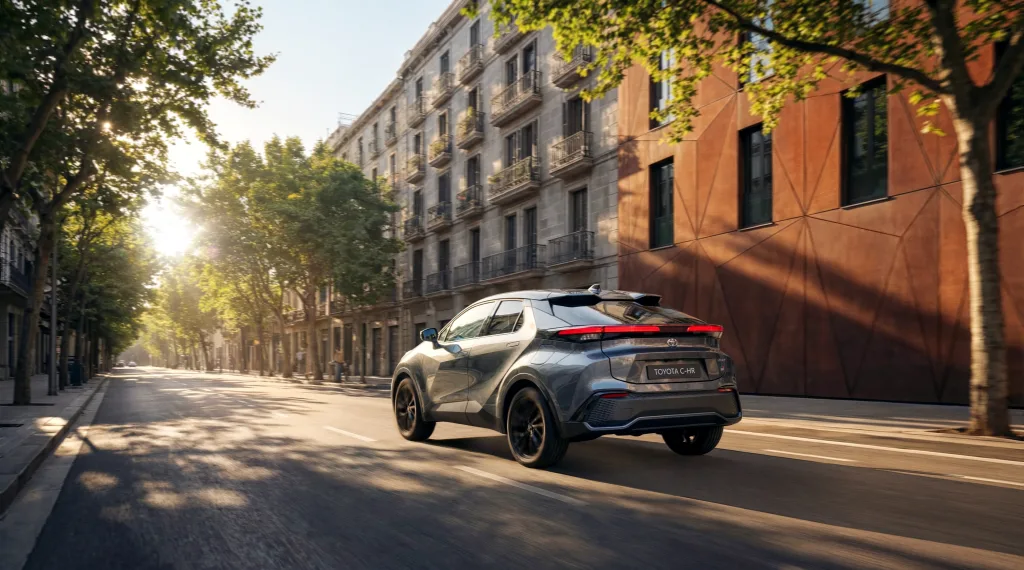
A range of hybrid electric and plug-in hybrid electric powertrains uses Toyota’s latest hybrid technology to deliver greater power and torque for an enjoyable, efficient drive, contributing to Toyota’s broader multi-pathway approach toward carbon neutrality.
Plug-In Hybrid Flagship and Smart Range Management
The plug-in hybrid Toyota C-HR serves as the second generation’s flagship, demonstrating a ‘best of both worlds’ character that pairs sufficient range for all-electric daily driving with the dependability of hybrid technology for relaxed longer journeys.
It offers an equivalent all-electric range of around 100 km in city and urban settings, or up to 66 km in the combined WLTP cycle.
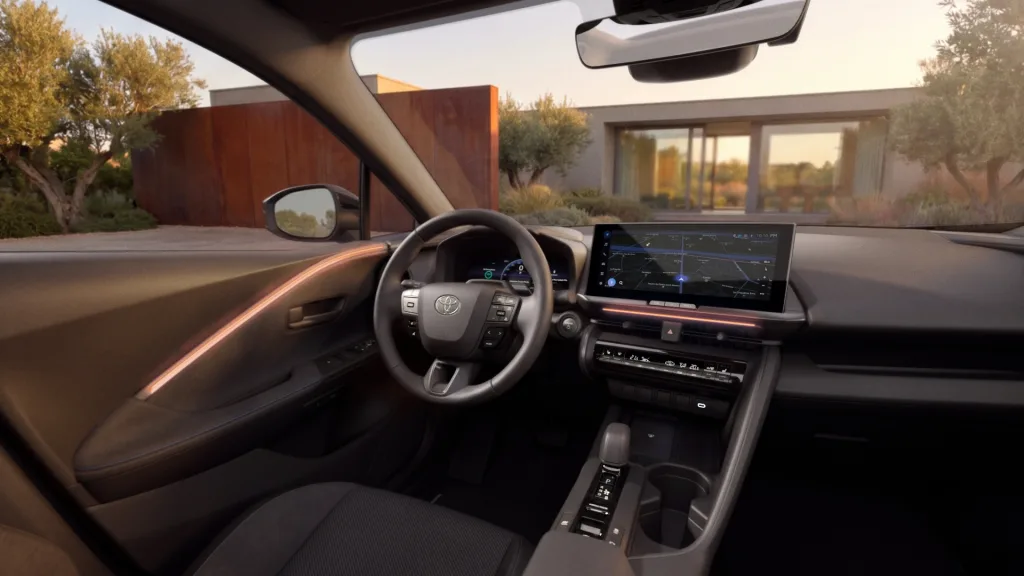
The second-generation model was the first Toyota to provide the geo-fencing function within its Predictive Efficient Drive system, which combines smart technology to maximise battery charge and range.
Geo-fencing secures sufficient EV range to navigate upcoming low-emission or BEV-mandatory zones by intelligently switching between hybrid and electric modes to maintain an appropriate state of charge.
Sustainability Focus and 2026 Enhancements
Beyond its efficient powertrains, the new Toyota C-HR embraced sustainability throughout design and production.
Its environmental footprint is further reduced through new recycled and animal-free materials, alongside advanced technologies that cut vehicle weight and lower CO2 emissions during manufacturing.
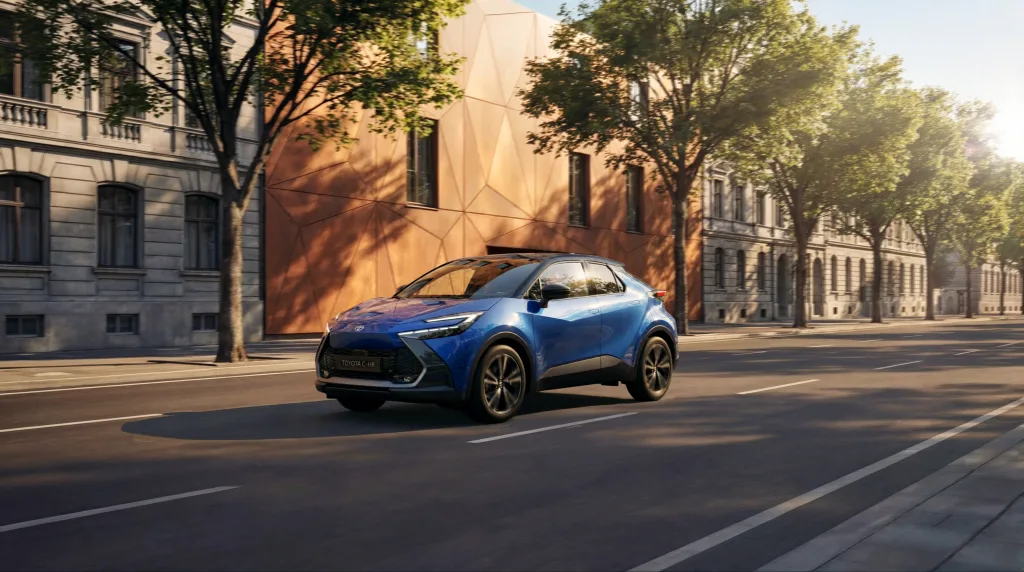
For 2026, the Toyota C-HR range gains additional refinement and broader choice through updates to the Mid+ grade and expanded GR SPORT availability across all powertrains.
The Mid+ now features new 18-inch matt black machined alloy wheels and elegant Samara fabric on the front and rear seats, while grey stitching on the front seats and a sleek gunmetal gear shift knob decoration further enhance the cabin. The 2026 Toyota C-HR is available to order across Europe.