
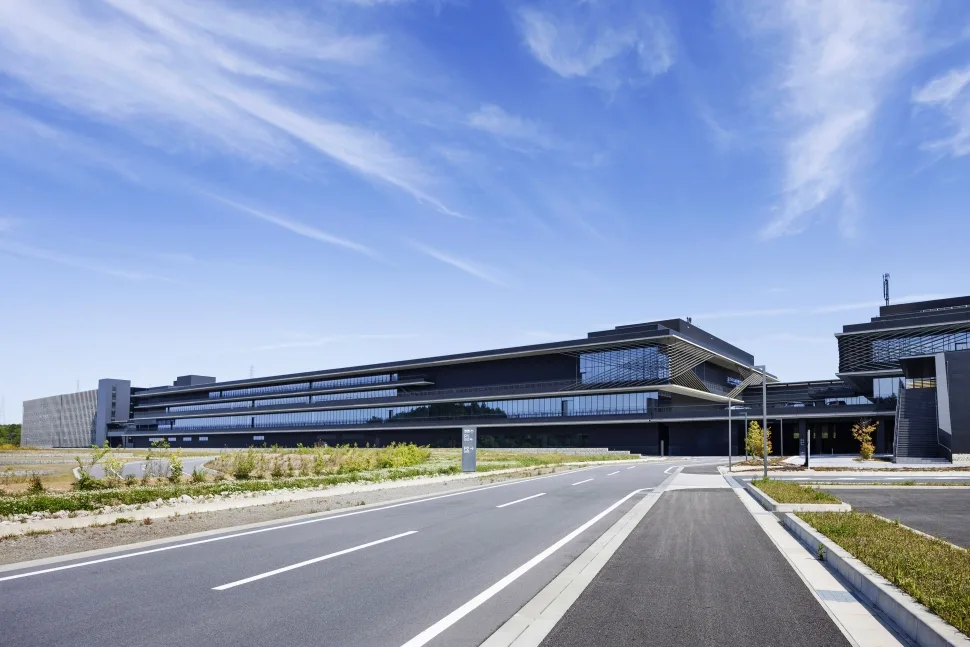
Toyota Motor Corporation held a media and stakeholder event at the Toyota Technical Center Shimoyama (TTC-S), its research and development site spanning Toyota City and Okazaki City in Aichi Prefecture.
The event put a spotlight on Toyota’s “ever-better car-making” cycle — intense driving, deliberate breaking, on-the-spot fixes, and retesting — and served as the backdrop for the global premiere of the all-new Lexus TZ, one of the first products of this development approach.
The center’s roots trace back roughly 30 years, to a question Chairman Akio Toyoda — known as Master Driver “Morizo” — kept asking himself: why couldn’t Japan have something like the Nürburgring? That instinct, shaped by the late test driver Hiroshi Naruse’s belief that “roads build cars,” eventually led to construction starting in April 2018, with full operations beginning in March 2024.
One Site, One Continuous Development Loop
TTC-S is built around an open-plan layout that keeps design, engineering, evaluation, and maintenance under one roof, with around 3,000 staff working across disciplines without the usual departmental walls.
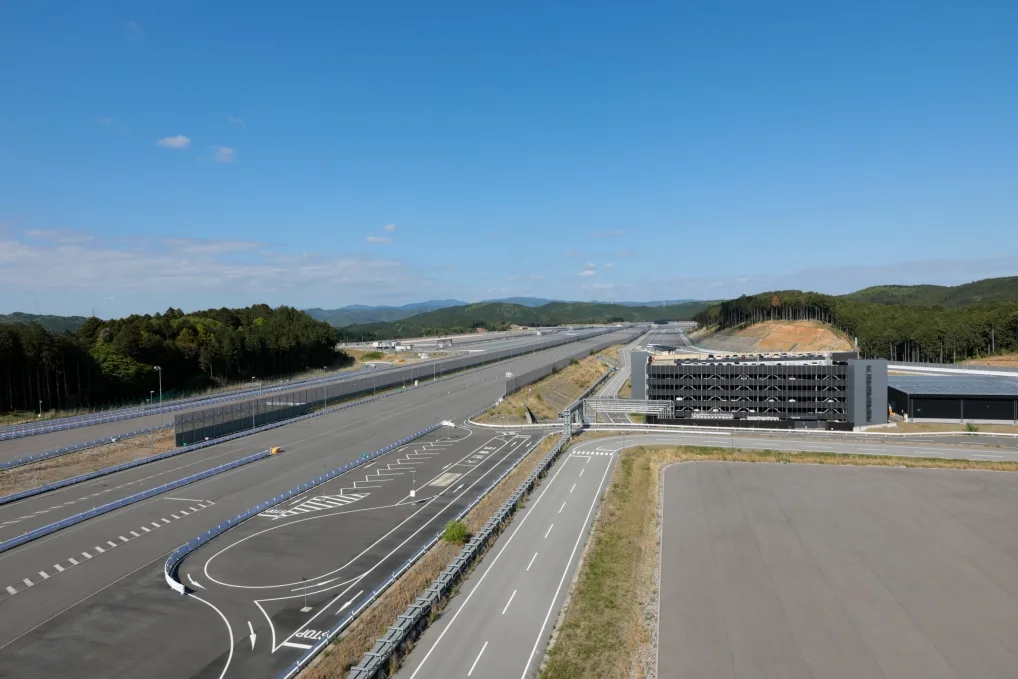
The centerpiece is Test Course Loop 3, a roughly 5.3-kilometer “country road” loop — about a quarter the scale of the Nürburgring — with 75 meters of elevation change and demanding surfaces, built over a decade with input from Toyota’s own test drivers. A separate Dirt Course was added at Morizo’s insistence, giving engineers a harsh unpaved environment for durability testing and GR parts development; Morizo reportedly pushed a vehicle there to the point of rollover.
The facility stacks its workflow vertically: a ground-floor maintenance area for up to 40 vehicles connects directly to the test courses, a planning and engineering floor sits just above it for immediate data analysis, and a design floor on top blends clay modeling with digital review. The result is a repeating loop — drive, repair, analyze, drive again — that Toyota says refines both the cars and the people building them. Housing Lexus, focused on refinement, alongside GR, focused on driving joy, on the same site lets the two teams push each other’s thinking.
Lexus TZ Marks First Product of the Approach
The newly unveiled Lexus TZ is one of the vehicles developed at TTC-S under this “roads build cars” philosophy. Built around a “Driving Lounge” concept, it’s positioned as a premium space meant to keep everyone in the cabin comfortable, and stands as Lexus’ first three-row battery-electric SUV, pairing a relaxed cabin with strong driving dynamics.
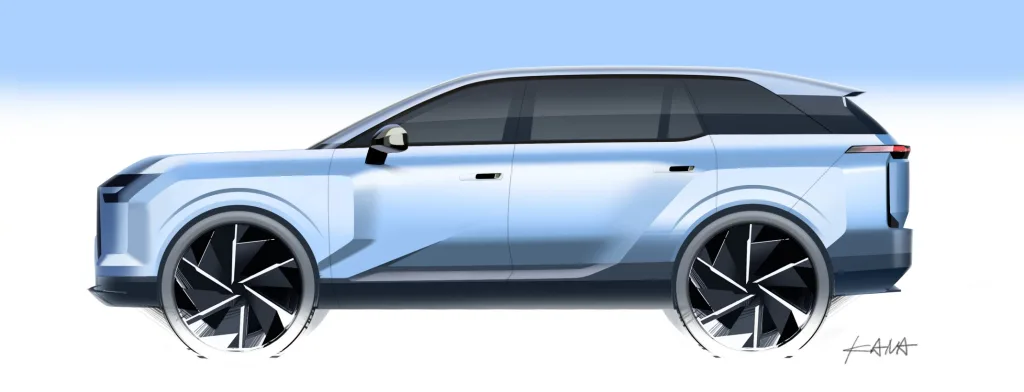
Toyota says the TZ was refined through extensive testing on TTC-S’s courses, with engineers, designers, mechanics, and test drivers working side by side to balance driving feel with everyday comfort. Further details are available through Lexus’ own product release.
Helicopter Trials and Disaster Preparedness
Alongside the TZ reveal, Toyota ran helicopter-based transportation trials using AeroToyota aircraft as part of its broader push into aerial mobility, together with disaster-preparedness drills conducted with Toyota City.
The effort traces back to Toyota founder Kiichiro Toyoda, who after witnessing the aftermath of the 1923 Great Kanto Earthquake concluded that mobility needed to work even where roads didn’t — an idea that led to a prototype helicopter as early as 1943. Toyota frames its current work as an extension of that same philosophy, now applied to land, sea, and air.
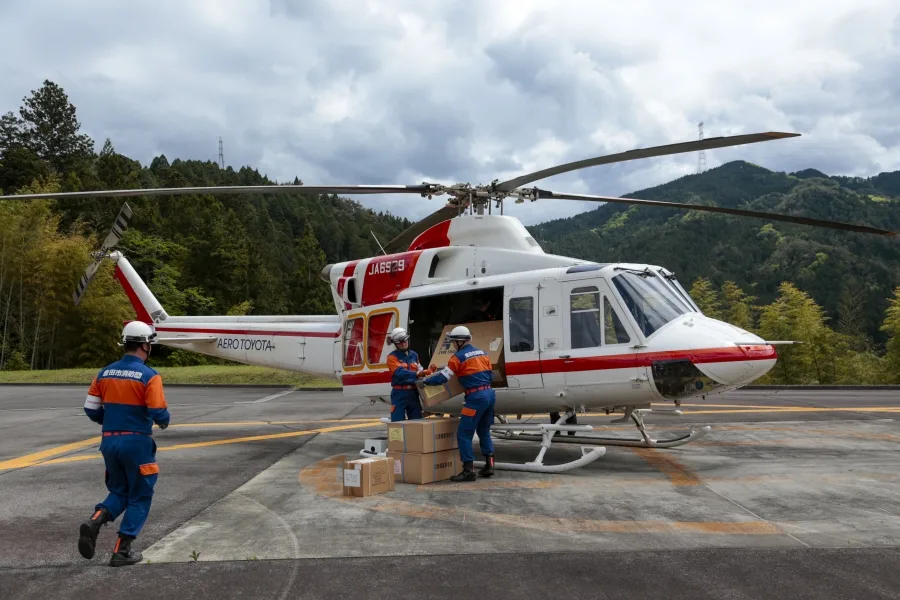
The mountainous communities around TTC-S face rising risk of isolation from anticipated major earthquakes and worsening wind and flood events, and Toyota has worked with local governments and residents to position the site as a potential disaster-response hub — including helicopter logistics training aimed at supporting isolated communities when roads become unusable.
A Facility Built With Local Cooperation
Since full operations began in 2024, TTC-S has anchored Toyota’s development work under the idea that roads build cars, and cars build people. The unveiling of the TZ, described by Toyota as “born of Shimoyama,” marks a significant milestone for the site, whose growth Toyota attributes to sustained cooperation from the surrounding community and coexistence with the area’s natural environment.
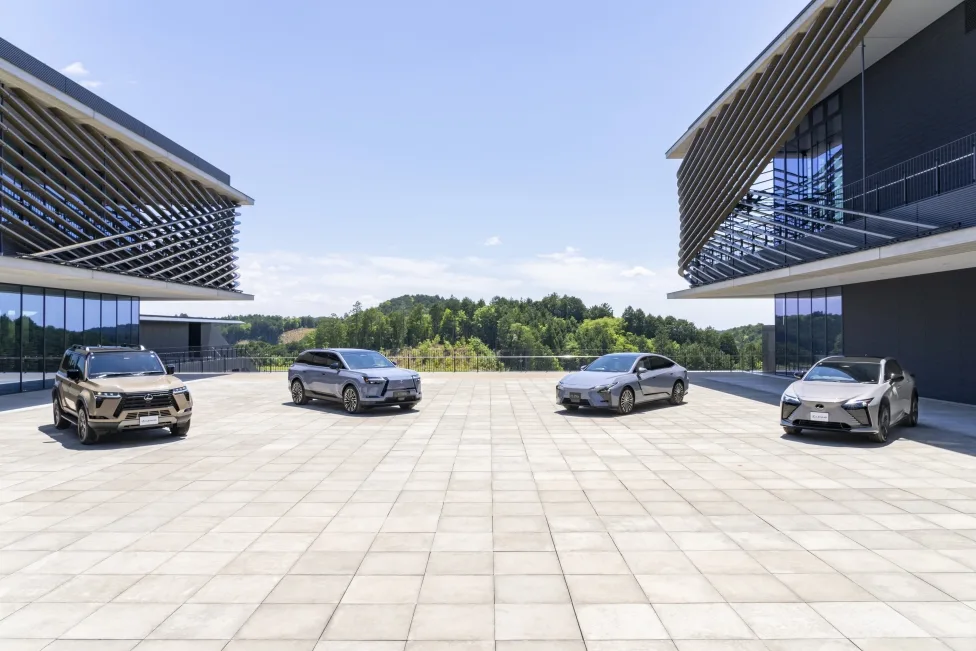
The facility spans 650.8 hectares across former Shimoyama village and Nukata town, with roughly 59% of that area preserved as trees and greenery. Toyota invested approximately 300 billion yen in the site, which now employs around 3,000 people as of May 2026.