
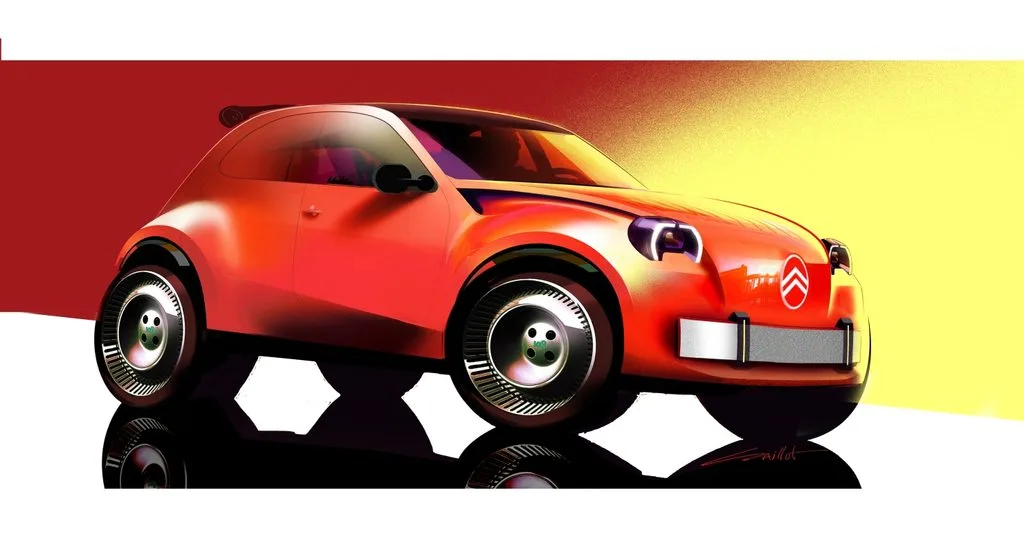
Citroën has released the sketches and drawings behind its 2 CV Concept, shown as a world premiere at the 2026 Paris Motor Show. The company says the project took nearly a year of research and experimentation.
The challenge was to renew one of the brand’s most iconic cars without copying it, and to capture what makes it recognisable while creating a contemporary design.
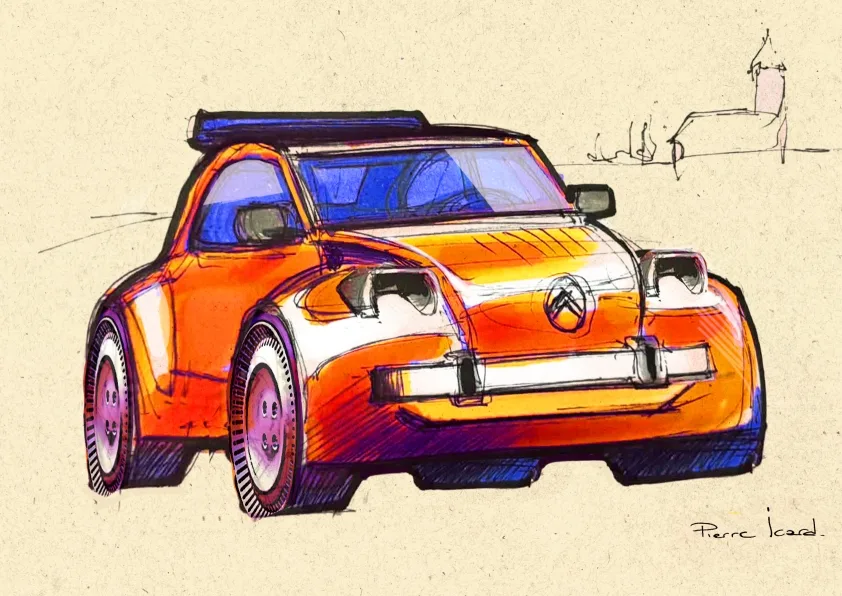
The sketches show the path from first ideas to the final concept, with each line and curve tested for the right balance between legacy and modernity.
Citroën Design Director Pierre Leclercq said designing a new 2 CV is both a dream and a major challenge, given the model’s status as a favourite in France and the most collected car of its kind worldwide. He noted that no other manufacturer has a 2 CV in its history, so the brand could not afford to get it wrong.
Reinterpreting the Silhouette
The designers aimed to capture the 2 CV’s silhouette, unusual proportions, ingenious design and personality rather than its shape. The concept reinterprets a pre-war design with wing extensions while meeting modern regulations.
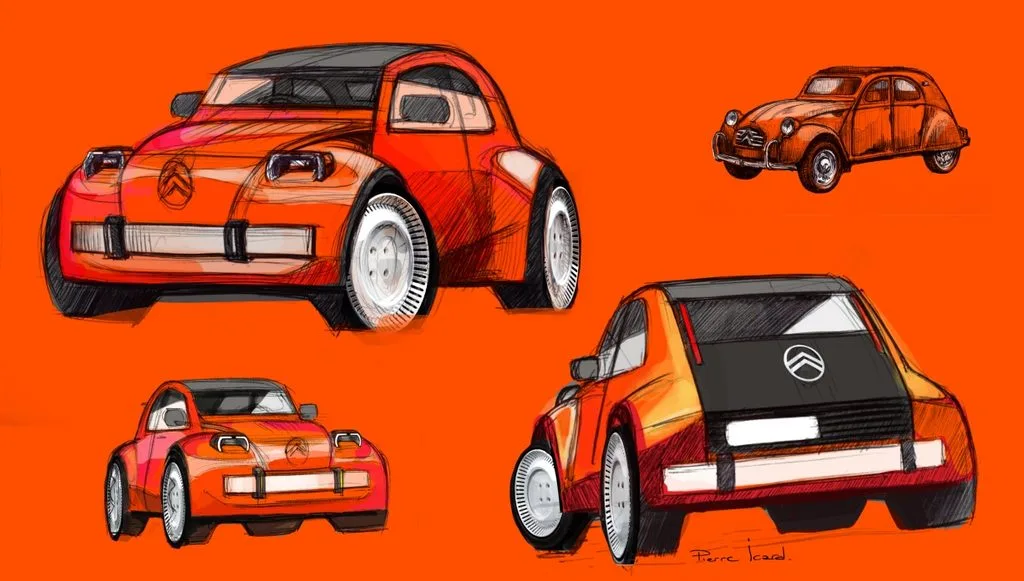
To avoid excessive retro styling and for practical reasons, the team dropped the rear wheel fairings. Head of Advanced Design Antoine Gaillot-Dreveon said the front end had to appeal without looking like a toy.
Early sketches explored silhouettes, front ends and overall proportions to give the car a more dynamic, contemporary look.
Detail by Detail
Exterior designer Pierre Icard described the task as expressing an existing car’s lines with simplicity while reworking every detail. He said features such as the manually retractable canvas roof make the design more human.
The concept keeps rounded, offset headlights, a ribbed bonnet inspired by early 2 CVs and a curved roofline running to the rear bumper. Generous wings, clean flanks and reimagined steel wheels give it a more assertive presence.
An Interior Built on Simplicity
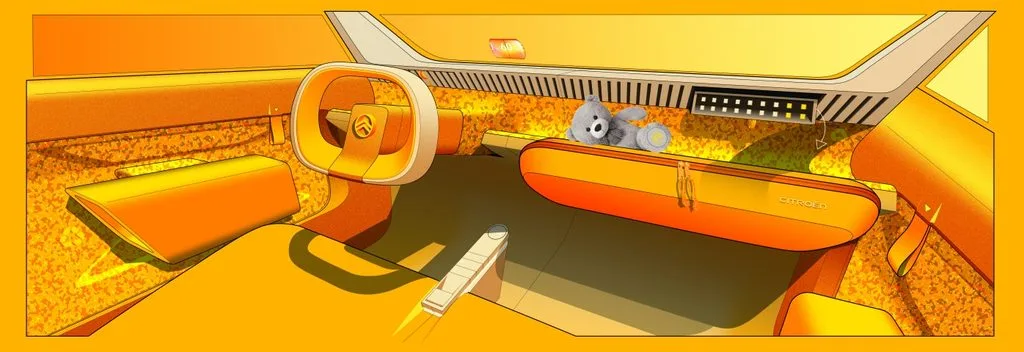
Guided by the original’s functionality and minimalism, the interior designers created a cabin that is clever and welcoming rather than a period recreation. The bench seats, single-spoke steering wheel, centre console gear knob, removable Radioën and storage basket echo the original.
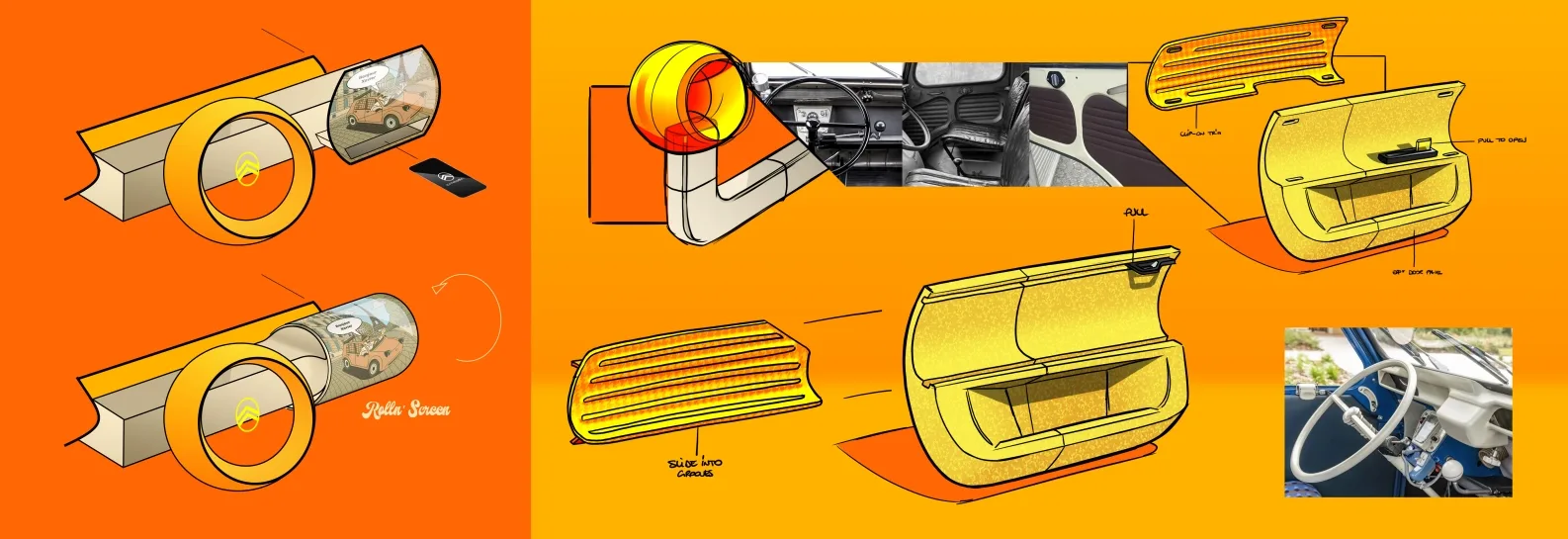
Interior designer Andreas Stump said the concept combines the essentials of the 2 CV with the comfort of today’s Citroëns. Colour and materials designer Madeleine Ternisien described the bright yellow and white palette, tartan seats and cane-inspired weave as nods to France and the car’s optimism. Beige touches recall the original’s Bakelite controls.
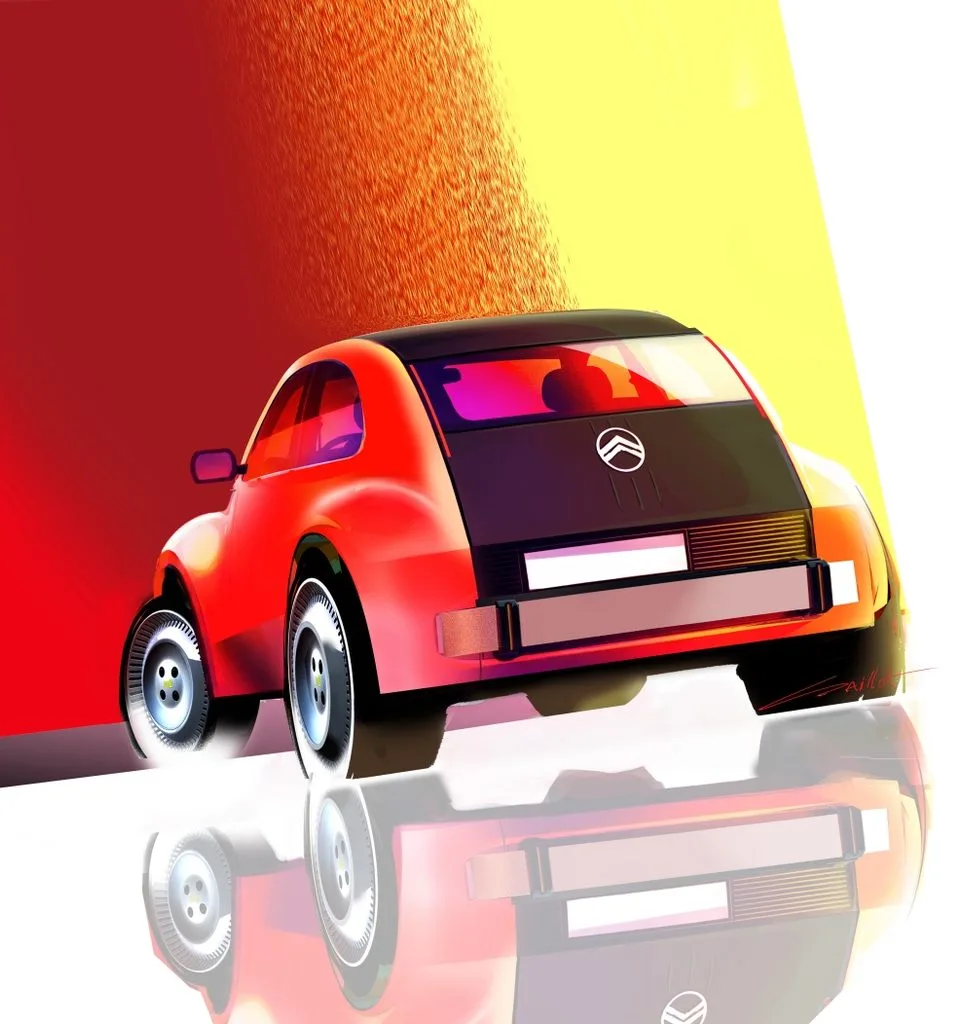
Citroën says the designers aimed to recreate the emotional bond the 2 CV built across generations, not just memories. The company presents the concept as proof that an iconic design can keep inspiring and surprising people, with the goal of keeping the car’s spirit alive today.