
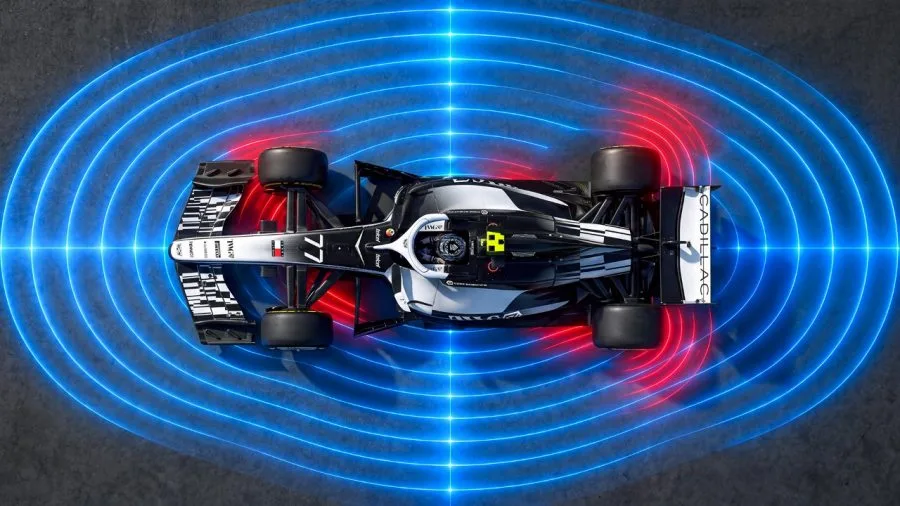
A Formula 1 car is built from thousands of parts, and the Cadillac Formula 1 Team tracks the life of each one, down to individual nuts and bolts. The latest episode of the docuseries What Makes Fast shows how the team does this.
Using Race Vehicle Gateway (RVG), a software tool designed by GM, engineers keep records on tens of thousands of parts. Each component has a serial number, and RVG logs when, where and how it was used on the car.
Limited Life, Physical Checks
Components have a limited lifespan, so the team needs to get as much use as possible from each part and retire it at the right moment. RVG tracks each component’s mileage. Engineers also inspect parts physically after every use. If a problem appears, the logged data helps them work out when and why it may have happened.
Simulation and Platform Learning
RVG has a companion tool, Race Vehicle Simulation (RVS). Data from RVG informs the team’s vehicle simulations, and simulation results feed back into RVG. That loop lets the team choose which parts go on the car, down to the exact serial number. GM calls RVG and RVS together the Race Vehicle Platform. It is designed to improve on-track performance and to move learning between motorsport and production vehicle programmes.
GM Chief Product Officer Sterling Anderson said in the series that motorsport is part of GM’s global product organisation, and that tools, data and techniques are exchanged in both directions. He cites aerodynamics as an example. GM has used production-vehicle data to build machine learning tools that speed aerodynamic development for both road and race cars. GM says the dataset in RVG benefits the Cadillac F1 Team and the wider company alike.