
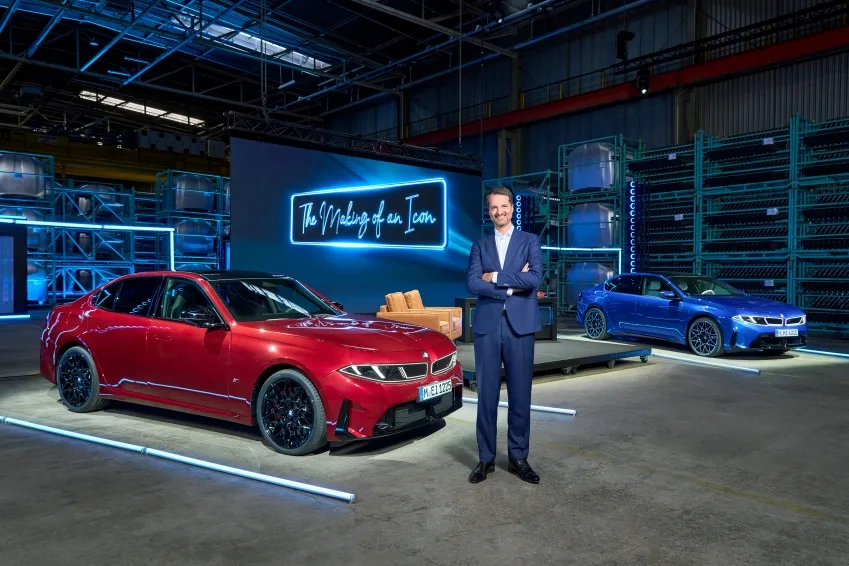
The BMW Group is investing around €2 billion in vehicle production and battery manufacturing in Germany, preparing its plants for the next generation of the BMW 3 Series.
Roughly €1 billion has gone into the Munich and Dingolfing vehicle plants, and about €1 billion into the new Irlbach-Straßkirchen battery plant in Lower Bavaria.
Production Board Member Raymond Wittmann said the investment supports value creation, competitive production and job security in Germany, and that the new battery plant brings key electromobility technology back to the company’s home base.
The 3 Series at Half a Century
The 3 Series has been the core of the BMW brand for more than 50 years. About 18 million vehicles have been built since production began in 1975, and 15 million of them were made in Germany.
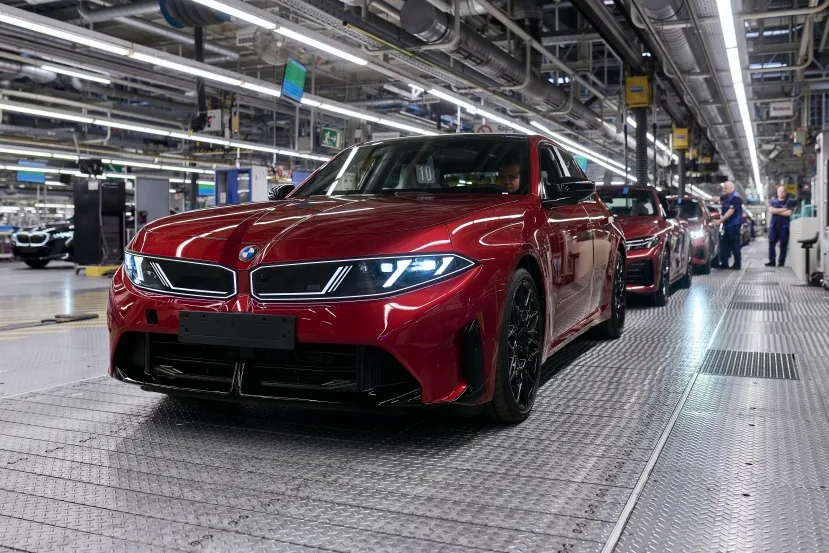
BMW describes the model as the world’s most successful premium mid-size car. Munich has built the 3 Series without interruption since its debut. Dingolfing has produced the model intermittently since 1980.
Two Plants, Two Paths
Munich is becoming an all-electric site, with new buildings and production facilities for Neue Klasse technology. The plant will also build the all-electric BMW i3, using sixth-generation high-voltage batteries from Irlbach-Straßkirchen, starting from October. Dingolfing will build combustion and plug-in hybrid versions of the new 3 Series for customers around the world, with a new 3 Series line added to its body shop so the models fit into existing production.
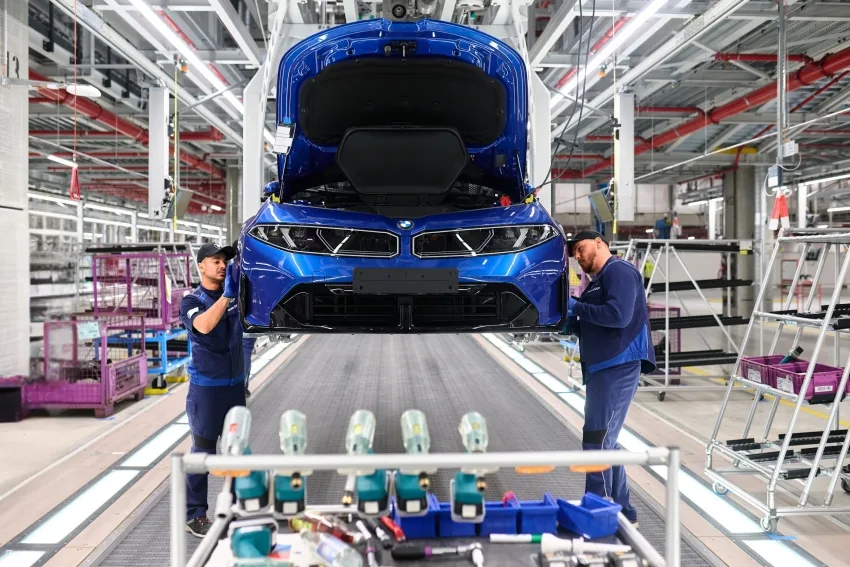
The company says it applies a “local for local” principle abroad. The i3 and 3 Series will be built at San Luis Potosí in Mexico, and a modified 3 Series for the Chinese market will be built in Shenyang.
Germany at the Centre of the Network
BMW Group produces more than one million vehicles a year at its German plants, roughly a quarter of all cars built in Germany. Domestic output exceeds the group’s total vehicle sales in Europe. About 55 percent of its employees work in Germany, and around 760 supplier locations support the Munich and Dingolfing plants, with more than 30 percent of them in Germany.
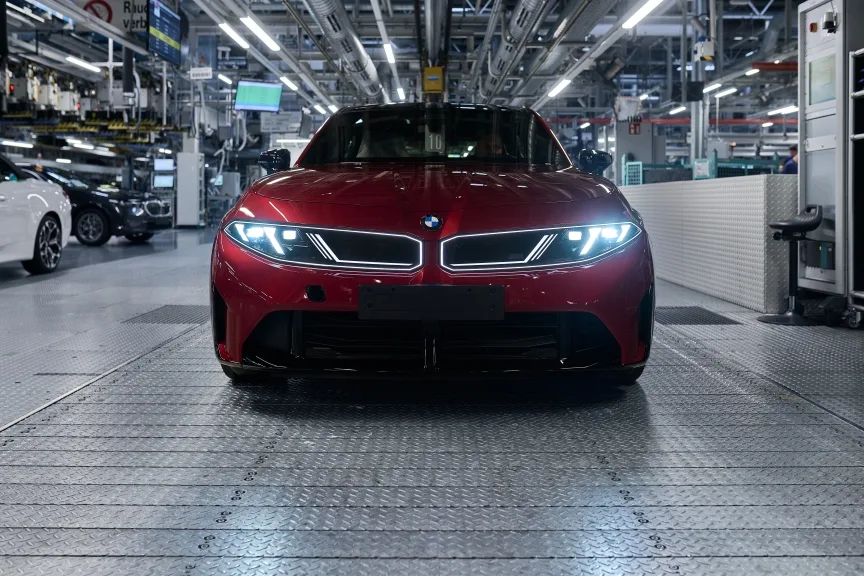
The Irlbach-Straßkirchen battery plant adds high-tech industry to Lower Bavaria, a region where BMW has operated for nearly six decades. The company says the plant creates skilled jobs, supports regional suppliers and generates tax revenue. By the end of 2027, BMW plans to have around 40 new or revised models using Neue Klasse technology on the road.