
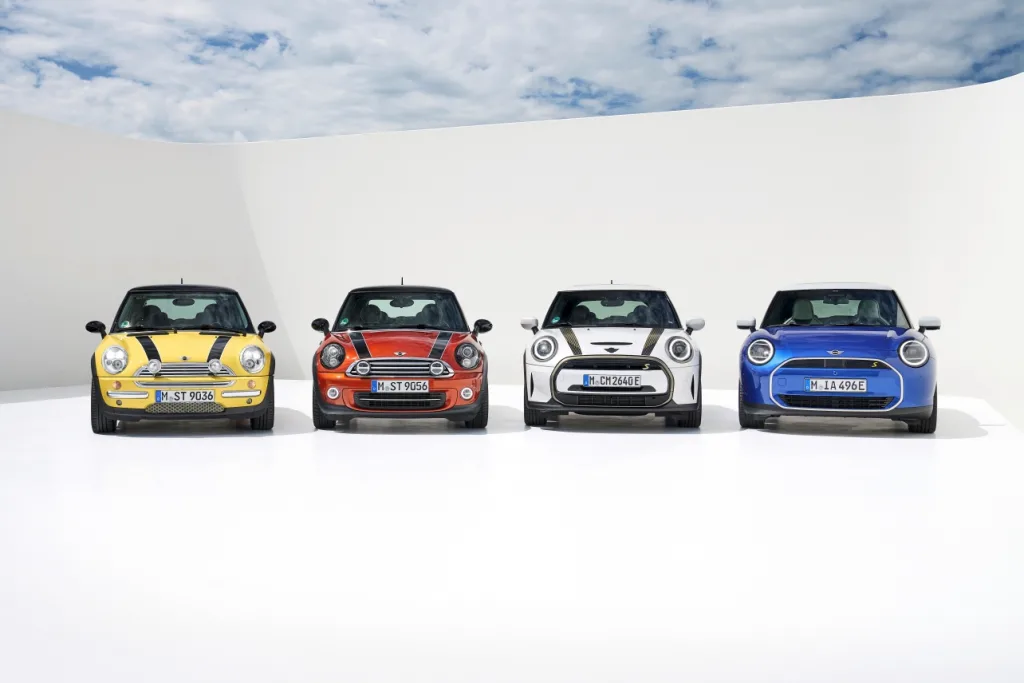
BMW Group has released a new video on its YouTube channel, “From the Original to the Original – 25 Years of MINI Design,” tracing how the brand evolved from the Classic Mini into the modern MINI built under BMW ownership.
Adrian van Hooydonk, Head of BMW Group Design, frames the challenge at the center of that story: the original Mini stayed nearly unchanged for 40 years, so the task facing designers wasn’t to copy it but to carry its identity into a new era while keeping every signature MINI trait intact.
What the Video Covers
Running six minutes, the video pairs design sketches and behind-the-scenes decisions with commentary from van Hooydonk and Holger Hampf, Head of MINI Design, who describe MINI as something closer to a companion than a car — built on functionality, driving enjoyment, individuality and a bit of cheeky attitude.
Hampf points out that MINI has built up its own set of signature details since 2001, strong enough that fans now consider some of those newer elements essential to the brand’s identity, evidence of how firmly MINI established its own reference points inside BMW Group. He adds that shaping those icons is ongoing work rather than something the brand can consider finished.
Where the Modern MINI Came From
MINI’s roots go back to 1959, when Sir Alec Issigonis designed the Classic Mini around efficient use of space, compact dimensions, short overhangs and direct, playful driving dynamics.
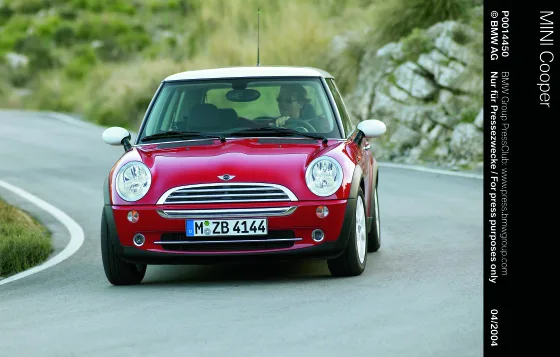
When BMW Group acquired Rover in 1994, it faced the question of how to preserve that essence in a new form, and designers from both BMW and Rover explored options ranging from a faithful continuation of the original concept to a more premium, sport-focused reinterpretation.
What emerged from 2001 onward wasn’t a retro throwback but what the brand calls a new original — instantly recognizable, but rebuilt for a new era through updated technology, design and cultural relevance.
The Traits That Never Change
MINI’s design identity rests on more than just familiar looks. Round headlights, compact proportions, short overhangs and the brand’s go-kart-like handling feel remain central to every model, paired with playful detailing and heavy customization options that let owners put their own stamp on the car.
Hampf describes that personalization as core to the brand’s appeal, noting that no two MINIs end up looking quite the same, which gives owners a way to express their own style through the car.
Carrying the Design Forward Into an Electric Era
That philosophy continues in the current MINI lineup under a design approach the brand calls “Charismatic Simplicity,” which strips design down to essentials while leaving room for personalization.
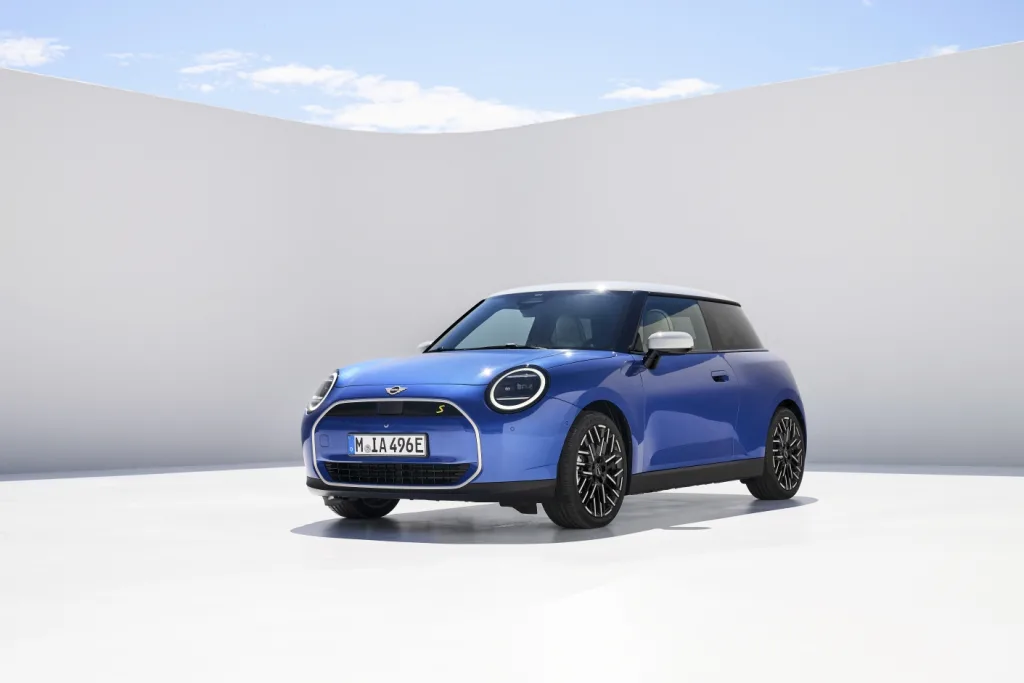
The MINI Cooper Electric shows this most clearly, with cleanly sculpted surfaces and a puristic body design outside, and an interior that revisits the original Mini’s less-is-more approach through a round central display, a compact steering wheel and a reduced number of components — MINI’s way of reinterpreting its design language for an electric, digital future.
The video’s release lands in a milestone year for the brand, which is also marking 25 years of modern MINI production and its British origins with a limited-edition MINI Cooper Oxford Edition.