
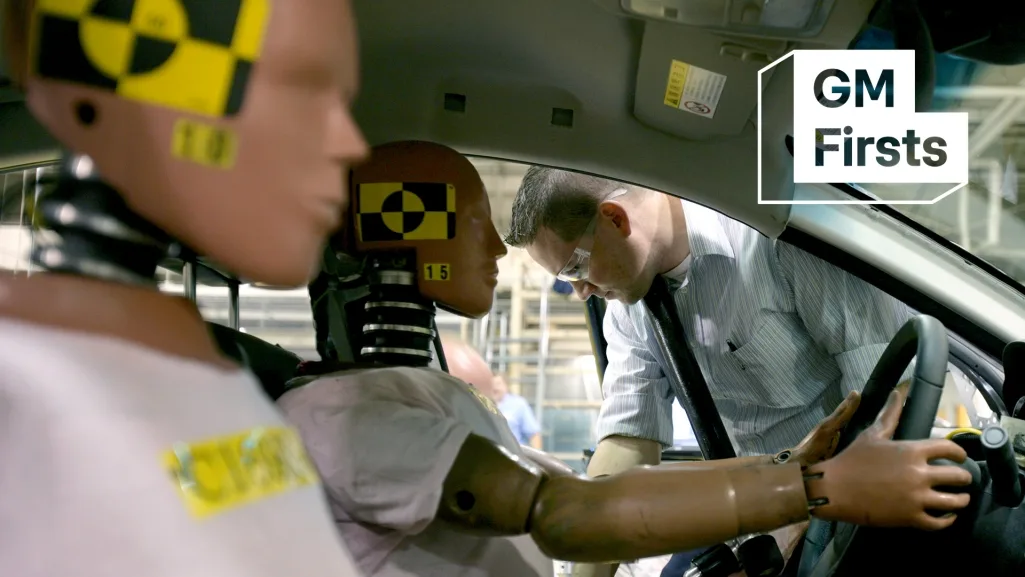
General Motors(GM) is using Global Safety Week to revisit the technologies it credits itself with introducing over more than a century.
The retrospective comes from the company’s Vice President of Global Product Safety, Systems and Certification, who frames safety as a thread running through the business rather than a single department’s job. Several features that are now standard on virtually every new car, she notes, appeared at GM years or even decades before regulators required them.
The Early Years: Cranks, Cadillacs and a Proving Ground
The 1912 Electric Self-Starter
Early motorists had to turn their engines over with a heavy hand crank, a task that demanded strength and could injure the person doing it. GM’s account holds that a motorist who stopped to help a woman with a stalled car on Detroit’s Belle Isle Bridge was struck by the crank handle and later died.
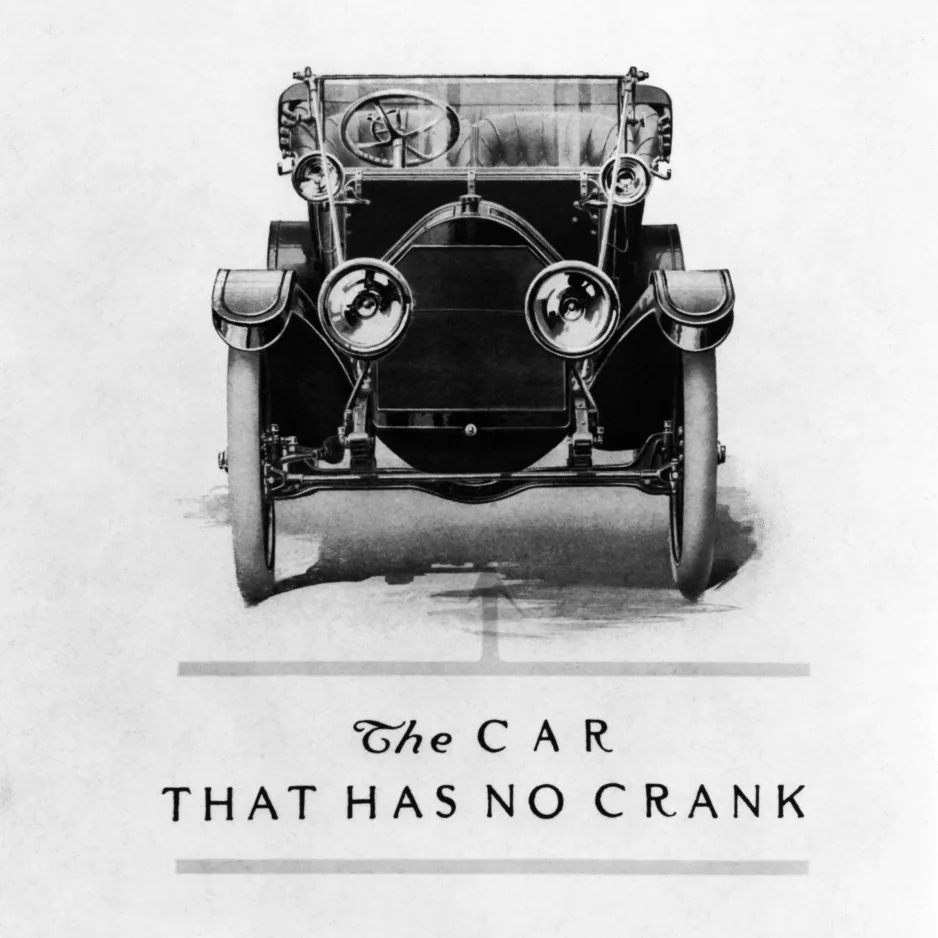
He was a friend of Cadillac founder Henry Leland, who then turned to inventor Charles Kettering for an answer. Kettering’s battery-powered starter motor, activated by a button, debuted on the 1912 Cadillac and helped the car earn the Dewar Trophy.
Crash Testing Takes Shape at Milford
In 1924, GM opened what it describes as the world’s first automotive test facility, the Milford Proving Ground in Michigan. Within roughly a decade, its engineers had begun crash testing.
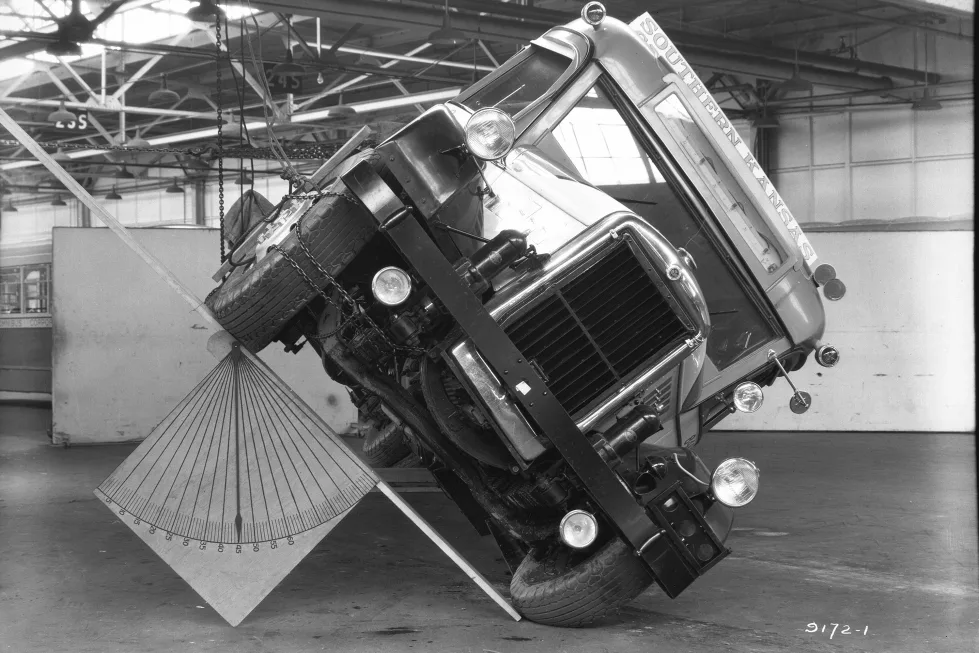
The early methods were rough: rollover tests meant pushing a car down a hill, and barrier tests involved an engineer steering toward a wall and bailing out before impact. Remote controls, sensors and cameras eventually let engineers watch what happened during a collision and test more realistic scenarios.
Today much of the validation work runs through simulation, backed by real crashes to confirm results, and Milford added the world’s first dedicated rollover test facility in 2006.
Protecting Occupants: Steering Columns, Child Seats and Airbags
1967: The Energy-Absorbing Steering Column
Because a conventional steering column is effectively a rod pointed at the driver, it was a persistent problem for safety engineers. GM’s 1967 answer was a two-piece column with a crushable steel-mesh section that could collapse up to 8.25 inches away from the driver in a crash.
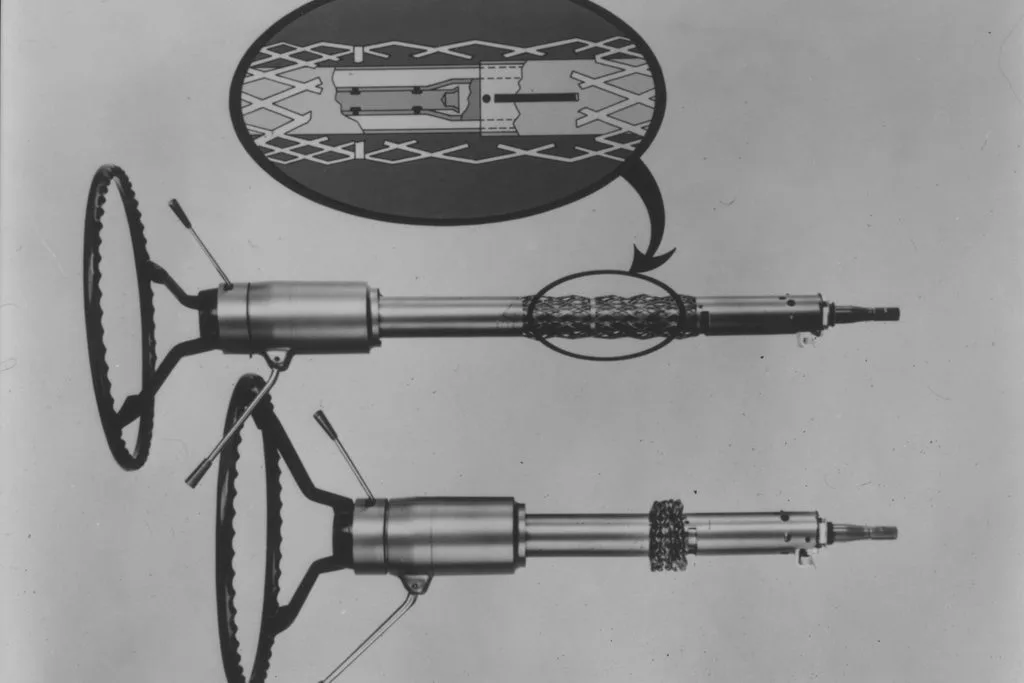
It was standard across the lineup that year, other automakers soon developed their own versions, and the Smithsonian now holds an example. Modern columns typically use two sections joined by a universal joint, and GM now engineers them together with the airbag and seatbelt systems.
1967: The Child Love Seat
Earlier child seats mainly kept youngsters from moving around the cabin rather than protecting them in a crash. GM’s Child Love Seat, sold through AC Delco Parts and Accessories, came as a front-facing booster for older children, with a rear-facing infant version and dedicated harness following in 1969.
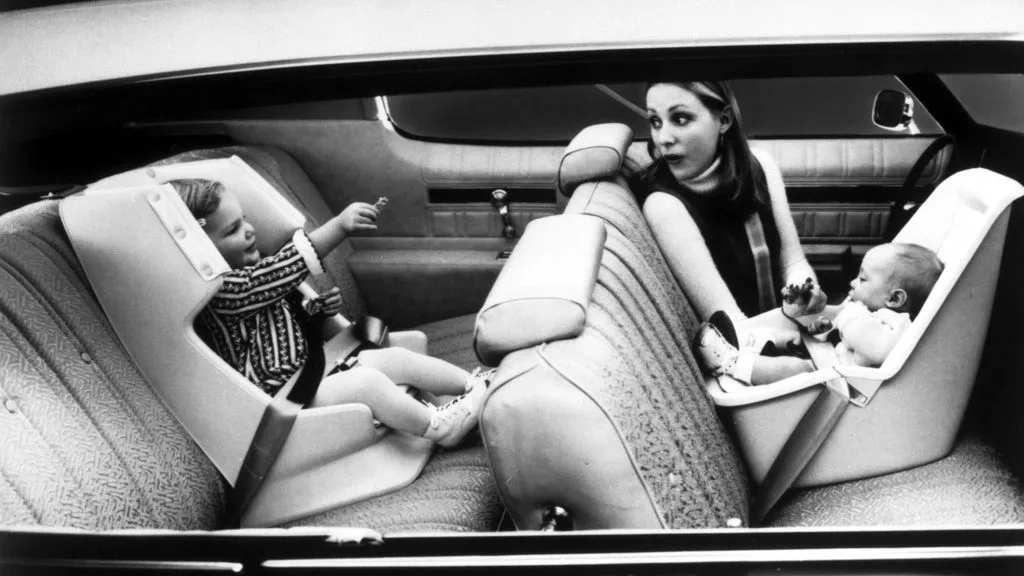
GM no longer builds child seats, but it works with manufacturers on fit with its vehicles and partners with Safe Kids Worldwide on the Ultimate Car Seat Guide. It has also built computer models of popular seats to run virtual tests across a range of child sizes.
1972: The Air Cushion Restraint System
Washington’s growing involvement in vehicle safety set the stage: the Highway Safety Act arrived in 1966, the first Federal Motor Vehicle Safety Standards in 1968, and NHTSA in 1970. With seatbelt use still low, proposed rules would have required either a three-point belt or a lap belt plus another restraint.
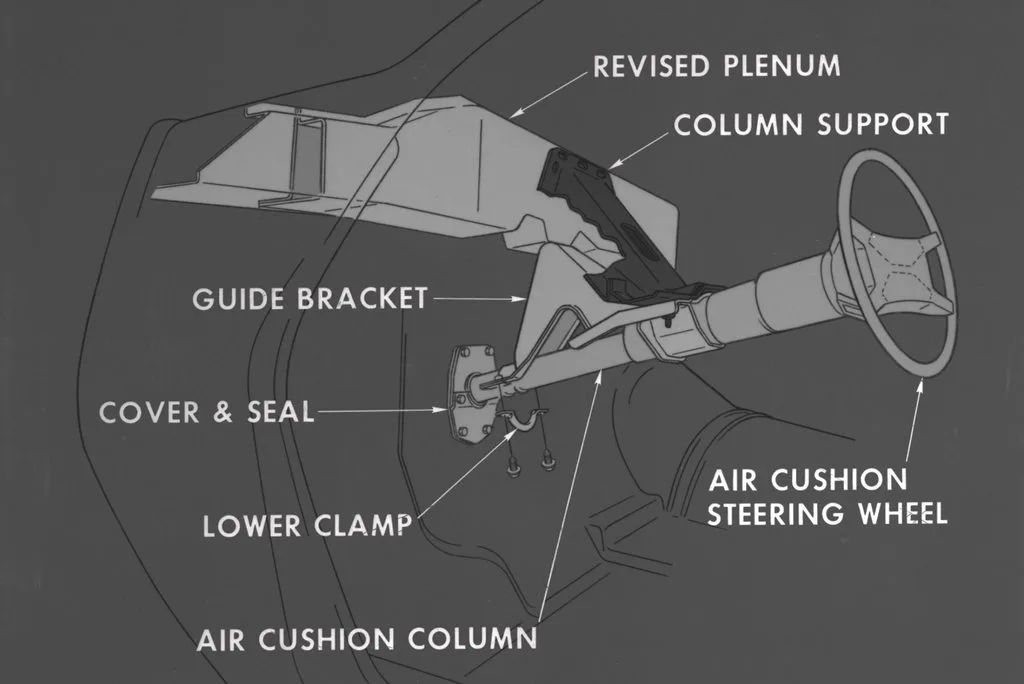
GM’s Air Cushion Restraint System, which it calls the first production automotive airbag, appeared on a limited run of 1973 Chevrolet Impalas and then as an option on Oldsmobile, Buick and Cadillac models from 1974. Sensors triggered two bags, one in the steering wheel and one under the dashboard for the passenger.
Buyers showed little interest, and the proposed rules never materialized. NHTSA did not require driver and passenger airbags on all U.S. vehicles until the 1998 model year.
2011: The Front Center Side Airbag
GM’s own data pointed to a high fatality rate in far-side impacts, where the occupant sits opposite the point of impact, and to cases in which front-seat occupants struck each other in side and rollover crashes.

The fix was an airbag that deploys from the driver’s seat to cushion the space between them. Developed with a supplier, it debuted on the 2013 Chevrolet Traverse, GMC Acadia and Buick Enclave. GM still fits it to a range of models, and other manufacturers have adopted similar designs.
Measuring the Crash: From Hybrid I to Hybrid III
GM built its first crash test dummy, the Hybrid I, in 1971 after finding existing dummies inadequate. In 1977 it created the Hybrid III 50th-percentile male, a step toward the industry-wide family of dummies that remains the global standard.
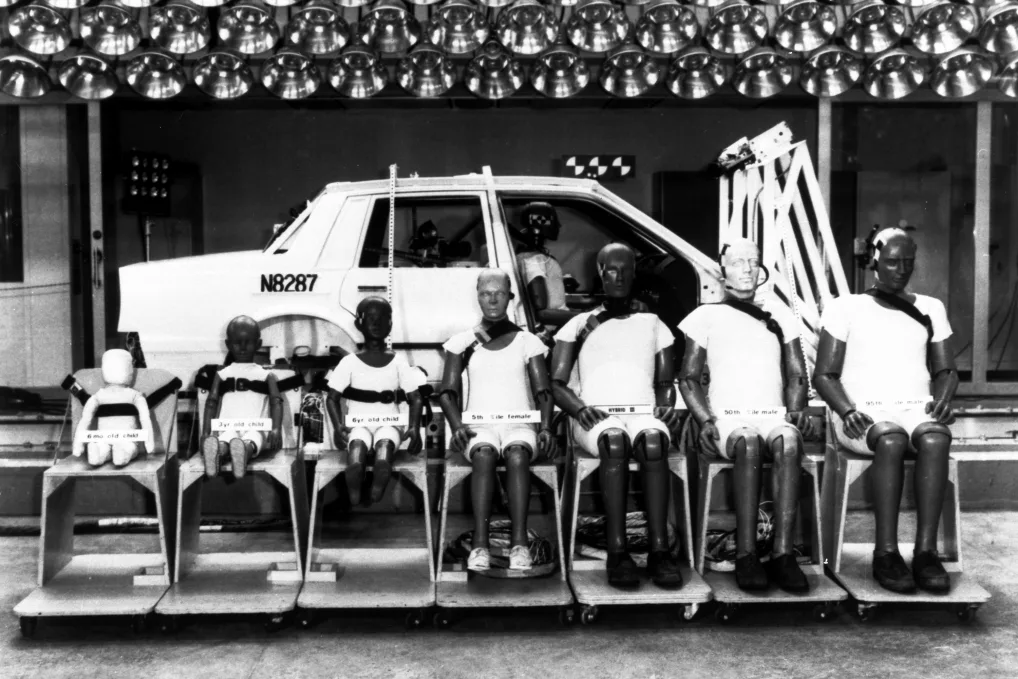
That family spans newborns, 5th-percentile women, 95th-percentile men and pregnant occupants. Virtual dummies now supplement the physical ones, and GM teams around the world run tests across time zones around the clock.
Connected and Behavioral Safety
OnStar Brings the Connected Car
Debuting on 1997 Cadillac models and standard across GM’s range by 2001, OnStar used an onboard telematics module that linked the car to a live advisor after an airbag deployment, who passed details to first responders.
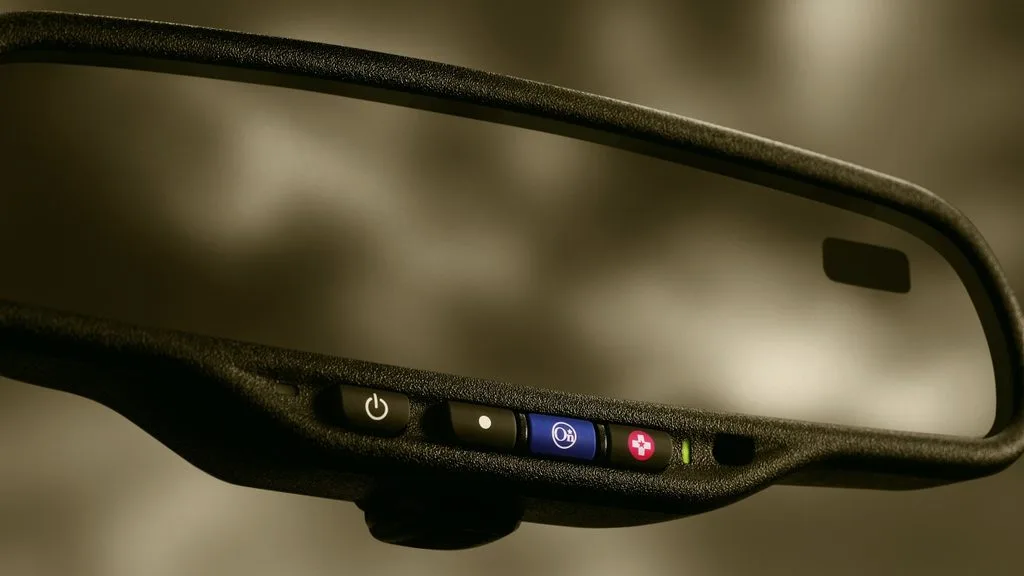
Stolen Vehicle Slowdown, Remote Ignition Block, remote diagnostics, turn-by-turn directions and in-car Wi-Fi came later.
2016: Rear Seat Reminder
The National Safety Council reports an average of 37 hot car deaths a year among children left in vehicles. GM’s response is a simple algorithm: if a rear door was opened before the trip, the gauge cluster tells the driver to check the back seat when the vehicle is switched off.
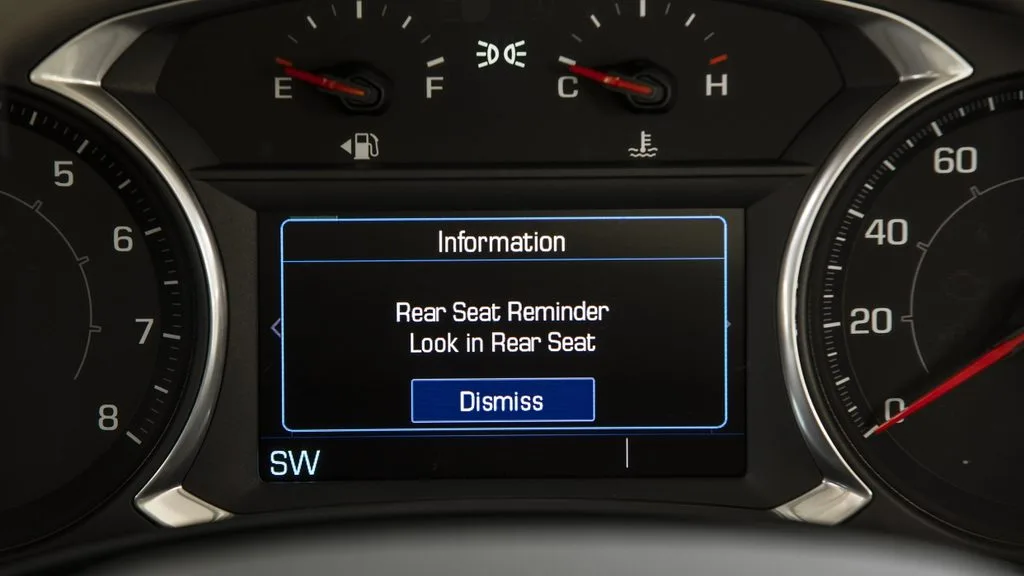
It started on the 2017 GMC Acadia and was standard on all GM four-door vehicles by 2021.
2019: Buckle to Drive
Aimed at building seatbelt habits, Buckle to Drive keeps the driver from shifting out of Park for 20 seconds if the driver’s belt, or an occupied front passenger’s belt, is unfastened.
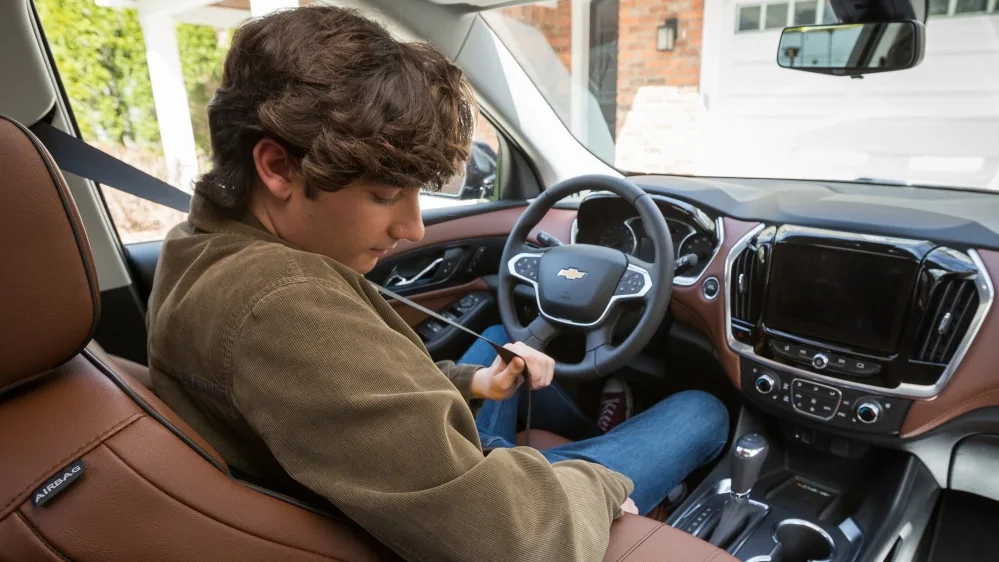
It first appeared on the 2020 Chevrolet Traverse, Malibu and Colorado and is standard on most of the current lineup. The executive says her son, an orthopedic surgeon, can tell from injuries whether a crash victim wore a belt, and that the difference is significant.
Safety for Everyone: The 2023 Standard-Equipment Push
GM also stresses affordability. For the 2023 model year it made five active safety features standard on the vast majority of its vehicles: automatic emergency braking, forward collision alert, front pedestrian braking, lane keep assist with lane departure warning, and IntelliBeam auto high-beam control.
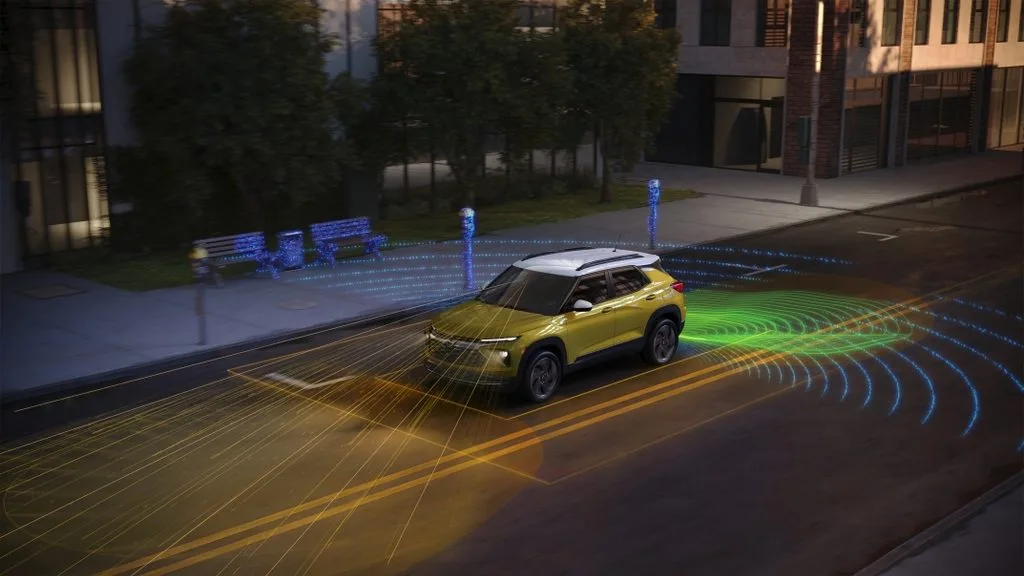
GM points to independent studies showing that such systems reduce particular crash types and injury severity.
The Road Ahead
Looking across the 114 years since the electric self-starter, GM says regulation and technology have changed enormously while its commitment to safety has stayed fixed. The company states its goal as a future of zero crashes.