
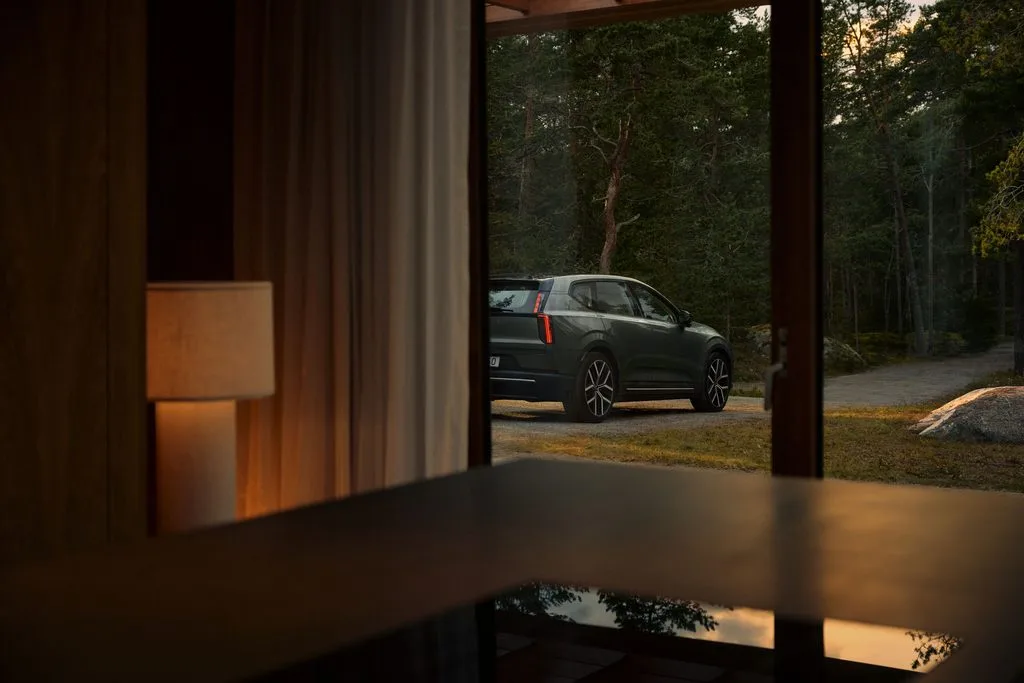
Volvo Cars used a Stockholm event to lay out its strategy for reaching an EBIT margin beyond 8% with strong cash flow over the long term, framing regionalized product planning, flexible electrification, deeper Geely synergies and a shift from simply selling cars toward delivering fuller customer offers as its core answers to pressure facing the wider industry.
As part of the update, Volvo revealed its largest-ever product push: 13 new, regionally tailored electrified models. With markets increasingly fragmenting due to technology restrictions, trade tariffs and diverging customer preferences, Volvo is positioning that regional approach as a competitive edge rather than a compromise.
Lower Investment, Higher Margins Per Car
Seven of the new models, aimed at Western markets, will build on investments Volvo has already made in its SPA2 and SPA3 platforms, meaning technology and manufacturing spending on these cars will actually decrease from current levels.
In China, Volvo plans six entirely new, China-specific models built around shared platforms, a dedicated software stack for the market, and common parts and supply chains.
Combined, Volvo expects many of its upcoming models to require significantly less investment per vehicle than earlier first-car-on-platform launches like the EX60, while margins per car should rise as more electrified models shift onto SPA-based or shared hybrid platforms.
Cost Savings Through Geely and Efficiency Gains
Volvo also expects further savings from Geely synergies in hardware sourcing across Europe and China, targeting around 30% full parts commonality by 2030, up from roughly 10% today — a shift the company estimates could deliver about 5% in material cost savings by 2030, on top of additional indirect benefits.
Volvo plans to pair that with leaner corporate overhead and stronger productivity across its broader value chain.
President and CEO Håkan Samuelsson said the industry’s challenges are substantial, but framed Volvo’s strategy — built on a regionally optimized lineup, Geely synergies, electrification and new efficiency gains — as a clear path toward margins above 8% and toward the company’s ambition of becoming the leading premium car brand.