
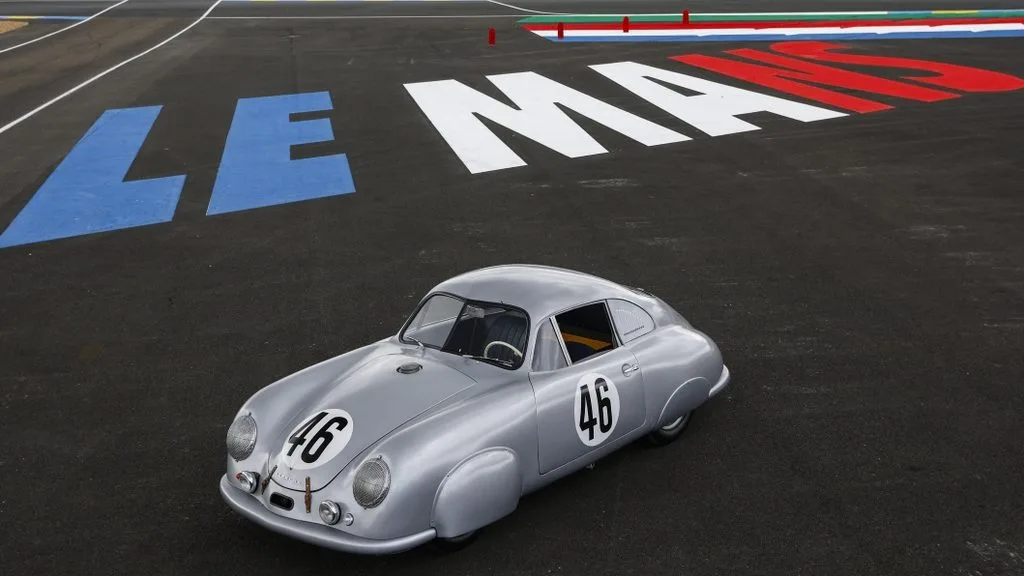
Porsche‘s 75-year motorsport history spans too many iconic moments to list in full — Le Mans, Targa Florio, Carrera Panamericana, Mille Miglia, Rallye Monte Carlo — and just as many legendary drivers and cars, from Richard Attwood and Jacky Ickx to the 550 Spyder, 917 KH and today’s 963.
But it all traces back to a single result: Le Mans 1951, where Auguste Veuillet and Edmond Mouche took a class win in a Porsche 356 SL on the brand’s first attempt at the Circuit de la Sarthe.
Thomas Laudenbach, Head of Porsche Motorsport, calls that moment the birth of Porsche in motorsport, and says what grew out of it over the following decades became a racing legacy unlike anything else in the industry — one built on sprint races, endurance racing and rallying alike.
Customers as the Foundation
Laudenbach frames motorsport as central to Porsche’s brand identity and as a testing ground for future production technology, built on pioneering spirit and sportsmanship.
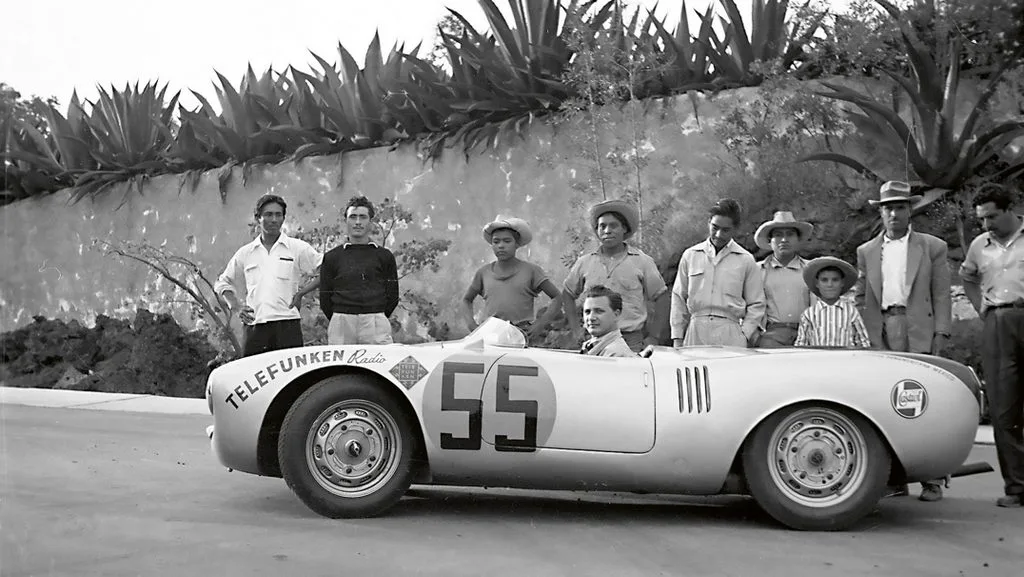
But he’s equally clear that customers, not just factory teams, have driven that success — customer racing has been part of Porsche’s program since the beginning, and the company is now one of the largest suppliers in that segment worldwide.
Michael Dreiser, Director of Motorsport Sales and a 20-plus-year veteran of the department, points to the 911’s 1960s launch as the turning point that accelerated customer participation; the 911-based Cup race car alone has seen more than 5,000 units built, making it one of the most-produced race cars in the world.
For Dreiser, the appeal splits into two groups — those chasing enjoyment on track and those aiming to go pro — and Porsche’s program is built to serve both.
A Pyramid From Track Day to Le Mans
Porsche describes its customer motorsport structure as a pyramid climbable from entry level to the top tier. Porsche Experience Centers and community events like the Porsche GT Circle offer the starting point, while the Porsche Track Experience provides professional instruction ranging from beginner courses to intensive master classes.
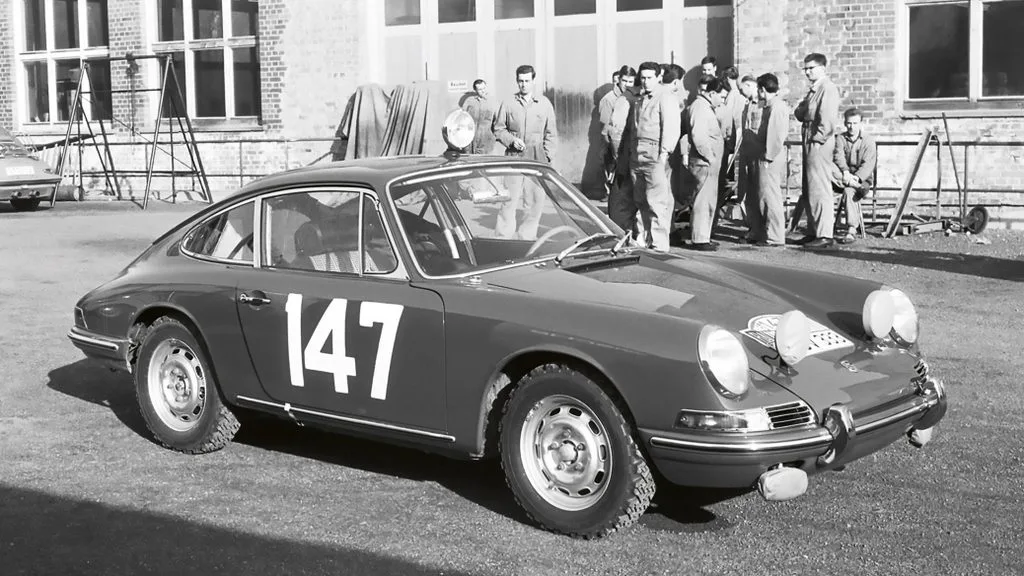
Drivers can go further through the Rennsport Academy, which Dreiser says now lets customers train specifically to earn a racing license — the credential needed to enter Porsche’s brand cups, like the Carrera Cup, which Dreiser describes as a seamless bridge from road driving into professional motorsport.
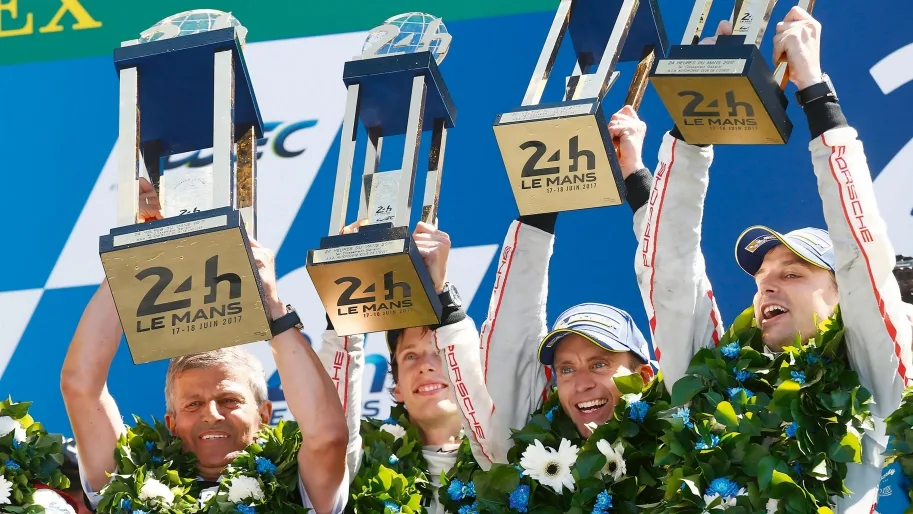
That path is more than theoretical: Nick Tandy, Marc Lieb and Timo Bernhard all started in brand cup racing before eventually winning overall at Le Mans, following a route also taken by actor Michael Fassbender, who began training through the Porsche Driving Experience.
From the brand cups, drivers can progress into GT racing, where customer teams compete directly against other manufacturers, and finally into top-tier series like the IMSA WeatherTech SportsCar Championship and Formula E, where Porsche factory teams test tomorrow’s production technology — with customer teams still playing a meaningful role alongside them, including in the new 975 RSE Formula E car.
A Legacy Still Being Written
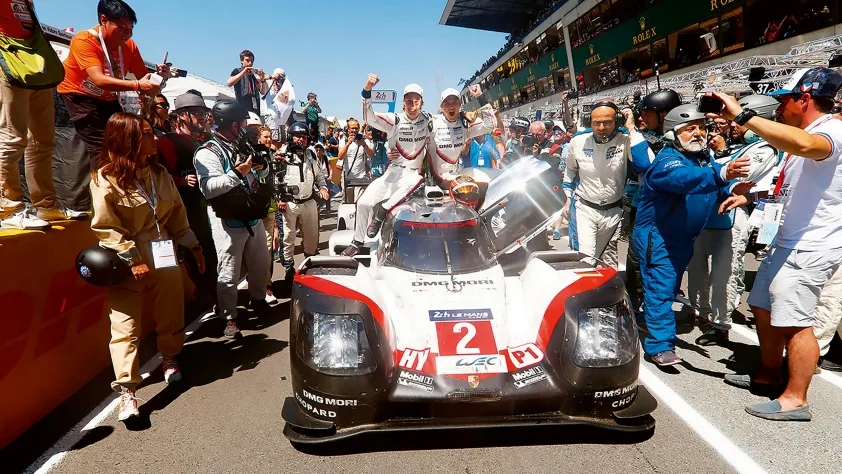
Porsche’s telling of its own 75-year motorsport story spans everything from grassroots GT Circle events in Japan to international brand cups, GT series, and the high-performance 963 program — a snapshot the company frames not as complete, but as unmistakably built on racing at every level.