
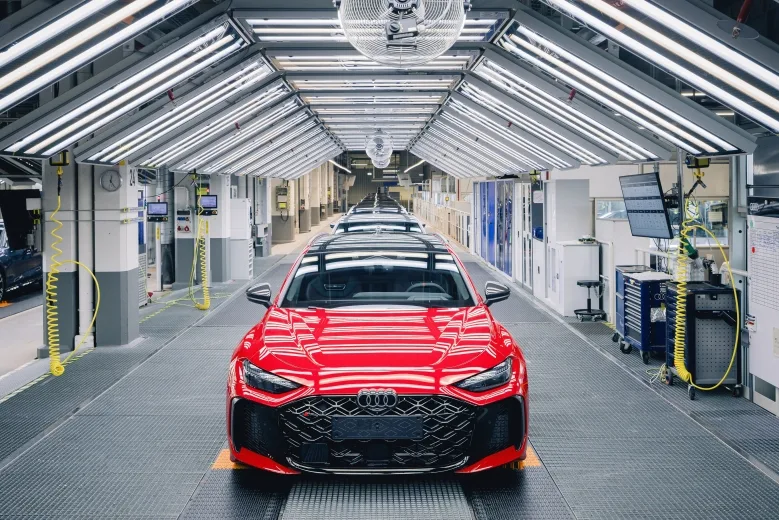
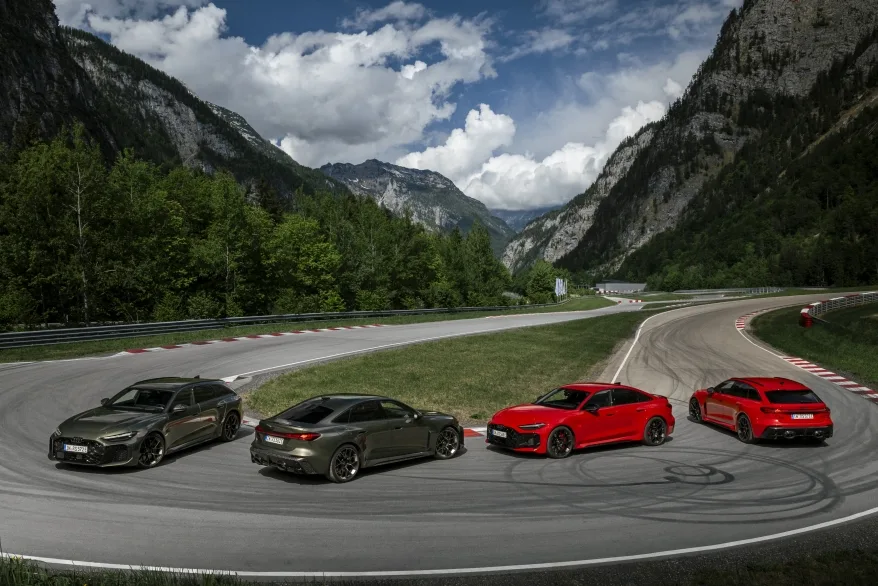
The new Audi RS 5 stands for performance at the highest level and collaborative development spanning national borders.
The close integration between engine development in Neckarsulm and Audi Hungaria in Győr demonstrates how technical excellence, well-defined processes, and mutual trust make high performance possible.
The Audi RS 5 will be available in the European market from end of June—customers can already configure and order their vehicle.
The new Audi RS 5 is result of cross-site development architecture established over many years. The engine development team in Neckarsulm and Audi Hungaria in Győr work hand in hand from conception through pre-production to continuous engineering. T
he new Power PHEV from Audi Sport clearly shows that developing a high-performance vehicle like RS 5 is only possible with clearly structured processes and well-coordinated workflows.
Sascha Srebacic, Head of Engine Mechanics at Audi site in Neckarsulm, stated cooperation throughout all phases of development, from initial concept to series production, is key factor in success of RS 5. Richard Majer, project coordinator in Technical Development at Audi Hungaria in Győr, emphasized this collaborative approach.
Twin-Turbo V6 with Electric Motor Defines Power PHEV Concept
The development of V6 engine for new Audi RS 5 follows clearly structured process based on proven principle: design and validation of powertrain are responsibility of engine development team in Neckarsulm.
A core element of new powertrain concept in RS 5—and a significant step forward both technologically and strategically—is combination of twin-turbo V6 and electric motor. This blends RS performance with electrification, making RS 5 first RS model from Audi Sport to feature plug-in hybrid drive.
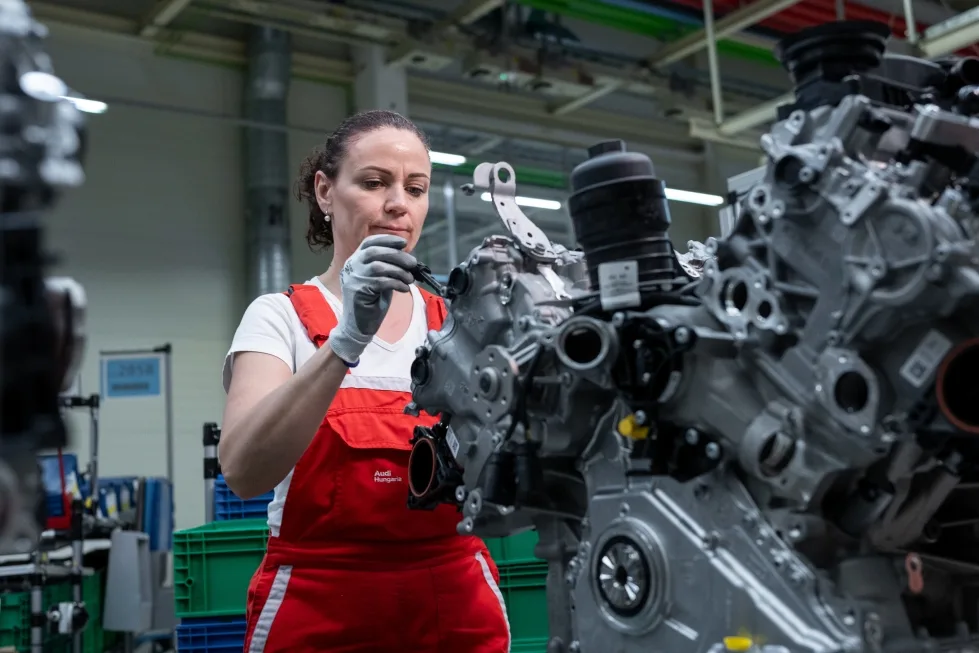
Following successful completion of pre-production phase, Audi Hungaria in Győr takes over continuous engineering and manufacturing. This clear division of roles and responsibilities fosters efficiency and reliability and is underpinned by shared sense of quality. With each new project, teams can build on their previous experience, tried-and-tested processes, and mutual understanding. This consistency pays off.
Srebacic explained they don’t have to reinvent themselves every time, as they can draw on years of shared experience. This provides certainty for project and speeds up decision-making.
Systematic Handover Workshops Mark Development Milestones
The sites hold handover workshops as key element of their collaboration. The project teams working on current engine projects meet on specific occasions and to mark milestones, alternating between Neckarsulm and Győr. They discuss technical details, resolve outstanding issues, and formally hand over responsibilities.
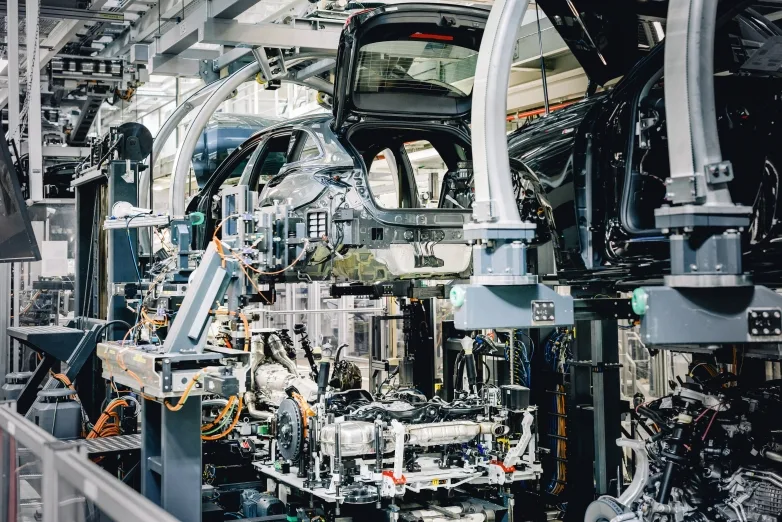
Majer stated the official handover, complete with written record and signatures, is very important milestone for everyone involved. It marks not only transition to series production but also shared sense of quality and responsibility.
International Perspectives Strengthen Technical Dialogue
In addition to technical expertise, dialogue between Neckarsulm and Audi Hungaria brings together teams’ diverse professional and cultural perspectives. This international aspect is incredibly valuable, allowing examination and further exploration of technical issues from various perspectives and strengthening team as whole.
Majer expressed high appreciation for this form of collaboration, stating he would happily work together in this way again as it shapes not only project but also people working on it.
Trust and Direct Communication Enable Global Collaboration
On paper, it is neatly structured, but in practice, it thrives on trust, direct communication, and well-established relationships. Many experts involved have been collaborating across projects for years. When needing help, they know exactly who to call. This clarity provides reassurance and makes physical distance virtually invisible in day-to-day business.

Srebacic emphasized that as they work, they often don’t even notice where someone is located. Experience, reliability, and shared sense of quality are what counts. The collaborative effort demonstrates that distance becomes immaterial when teams share understanding and commitment to excellence.
Twin-Turbo and Quattro Systems Reflect Collaborative Innovation
This combination of experience, international dialogue, and passion for performance can be directly seen and felt in new Audi RS 5.
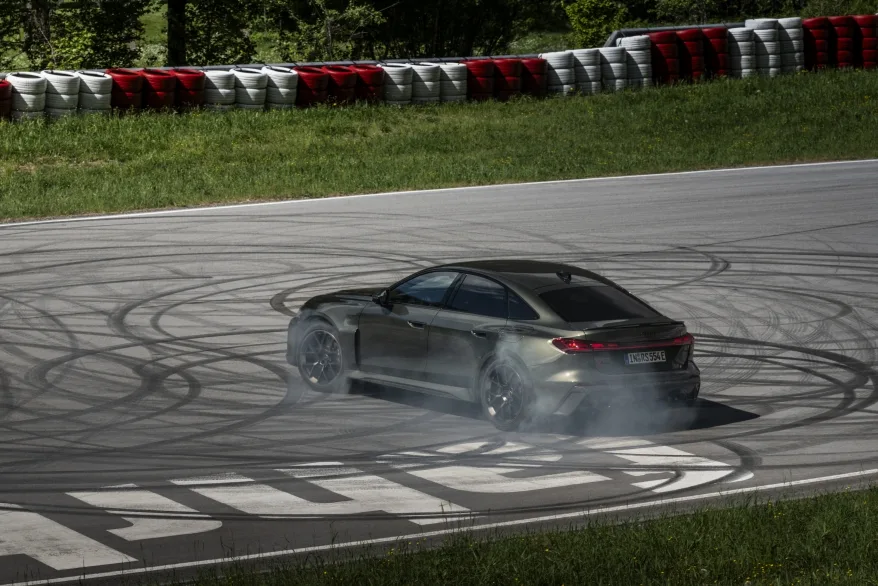
The performance, precision, and character of powertrain reflect teams’ collaborative efforts—from interplay between twin-turbo V6 and electric motor in first Power PHEV from Audi Sport to new quattro with Dynamic Torque Control, which precisely distributes power between rear wheels via electromechanical torque vectoring, ensuring remarkably precise and dynamic driving experience.
Srebacic has already driven RS 5 himself: this car inevitably puts a smile on your face. It’s a feeling you can’t describe—you have to experience it for yourself. Majer sees this high-performance model as more than just technology: he is proud of what has been created and what they have brought to road together.